6 Proven Ways to Recover From Shoulder Pain Faster
Shoulder pain can make everyday activities difficult. It may result from muscle strains, rotator cuff problems, bursitis, arthritis, frozen shoulder, or even a neck-related nerve problem. Understanding what pain is can also help you better understand why your body responds with discomfort.
1. Identify the Cause
Persistent shoulder pain should not be ignored. If you have ongoing pain, weakness, numbness, or limited movement, consult a healthcare professional to identify the underlying problem.
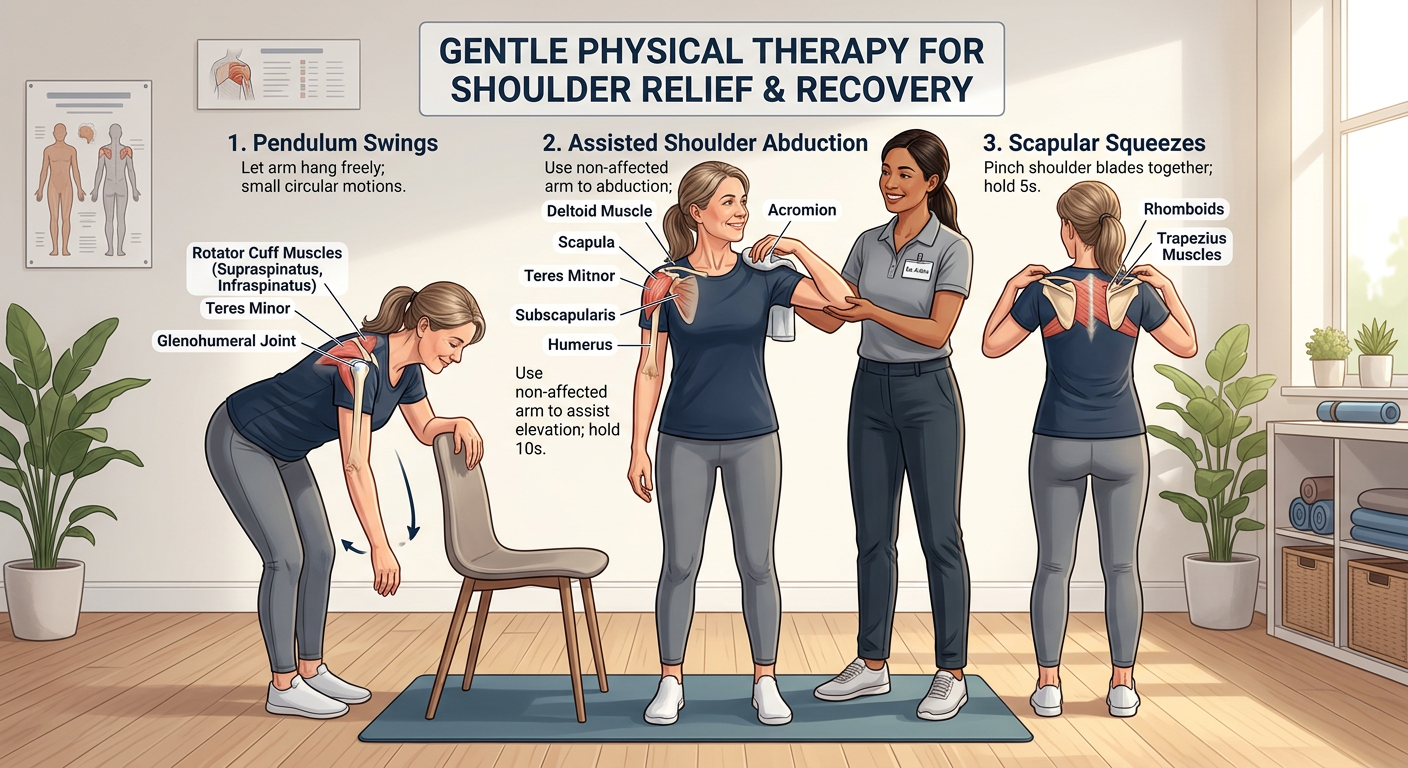
2. Try Physical Therapy
Targeted physical therapy can improve shoulder mobility, flexibility, and strength. Follow exercises recommended for your specific condition rather than pushing through painful movements.
3. Use Appropriate Pain Relief
Depending on the cause, treatment may include physical therapy, medication, or other options. For temporary relief from muscle and joint discomfort, you can also consider Red Rub Pain Relief Balm. Always follow the product’s directions and avoid applying it to broken or irritated skin.
4. Keep Moving Gently
Avoid completely immobilizing your shoulder unless advised by a healthcare professional. Gentle, comfortable movement can help maintain mobility, while heavy lifting and painful overhead movements should be limited.
5. Improve Your Sleep
Shoulder pain can make sleeping difficult. Try supporting your arm with a pillow and avoid sleeping positions that increase discomfort. Good sleep can also make it easier to stay consistent with your recovery routine.
6. Be Consistent
Recovery takes time. Follow your exercises, manage activities that aggravate your shoulder, get enough sleep, and gradually rebuild strength and normal activity.
Final Thoughts
The best approach to shoulder pain is to address its cause rather than simply masking the symptoms. Understanding what pain is and using appropriate recovery strategies can help you make better decisions about managing discomfort.
For temporary muscle and joint discomfort, Red Rub Pain Relief Balm can be considered as part of your pain-management routine.
If shoulder pain persists, worsens, or significantly limits movement, seek professional medical advice.