Exercises for Arthritis You Can Do at Home
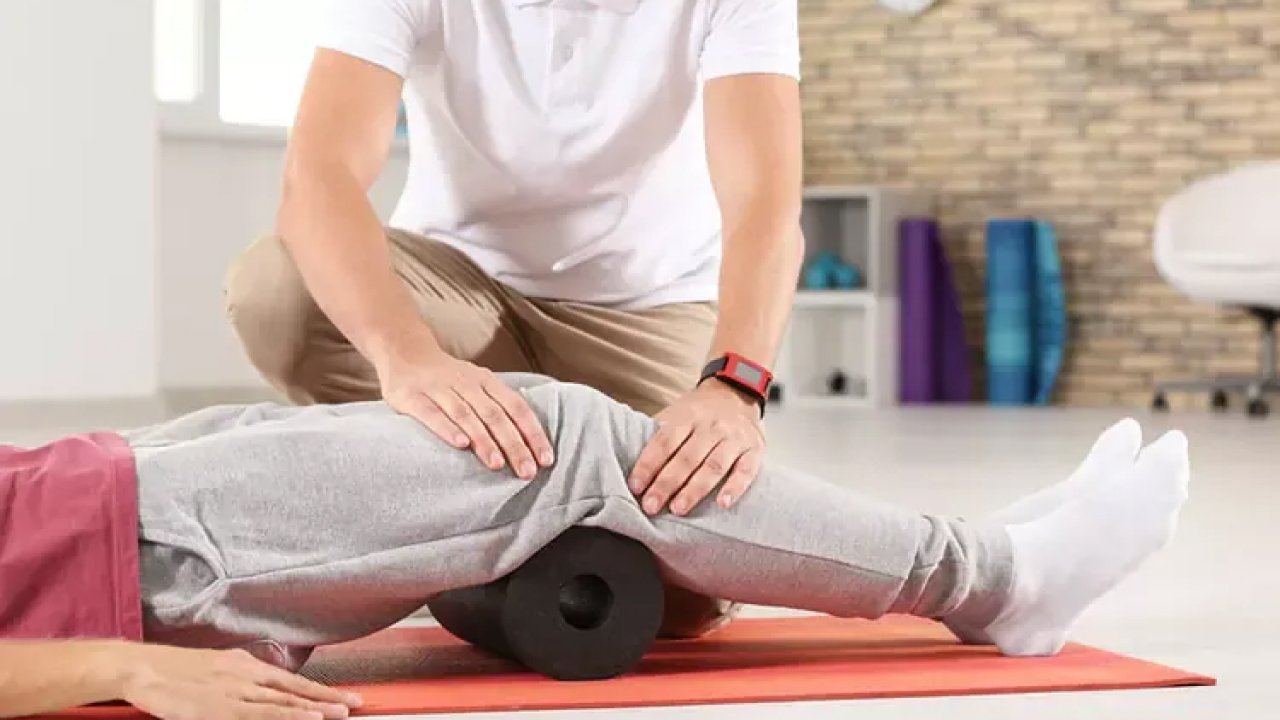
When your joints feel stiff, exercise may be the last thing you want to do. You might worry that bending your knees or using your hands will make things worse. A little suitable movement can help, and you do not need a gym to begin.
These exercises for arthritis are options to choose from, not a workout you must finish. Start with the movements that suit your joints and daily needs, whether that means getting out of a chair more easily or keeping your fingers moving.
Before You Start
Different joints need different care. What suits knee osteoarthritis may not suit a swollen wrist or an inflammatory flare. If you are unsure about your diagnosis, our guide to types of arthritis explains the main differences.
- Use a firm, stable chair without wheels. Place it on a surface where it will not slide, and clear space around you.
- Warm up for a few minutes with easy walking or small, comfortable seated movements.
- Breathe normally. Move slowly and stay within a comfortable range rather than forcing a stretch.
- Ask your physiotherapist for guidance if you have had recent surgery, have unstable joints or balance problems, or already have exercise restrictions.
Start smaller than you think you need to. Trying two suitable movements is enough for a first session. The suggested counts below are starting ideas, not targets to push through pain.
1. Chair Sit-to-Stand
This practises something you do every day: getting up from a seat. It works the thigh and hip muscles that help you stand and walk.
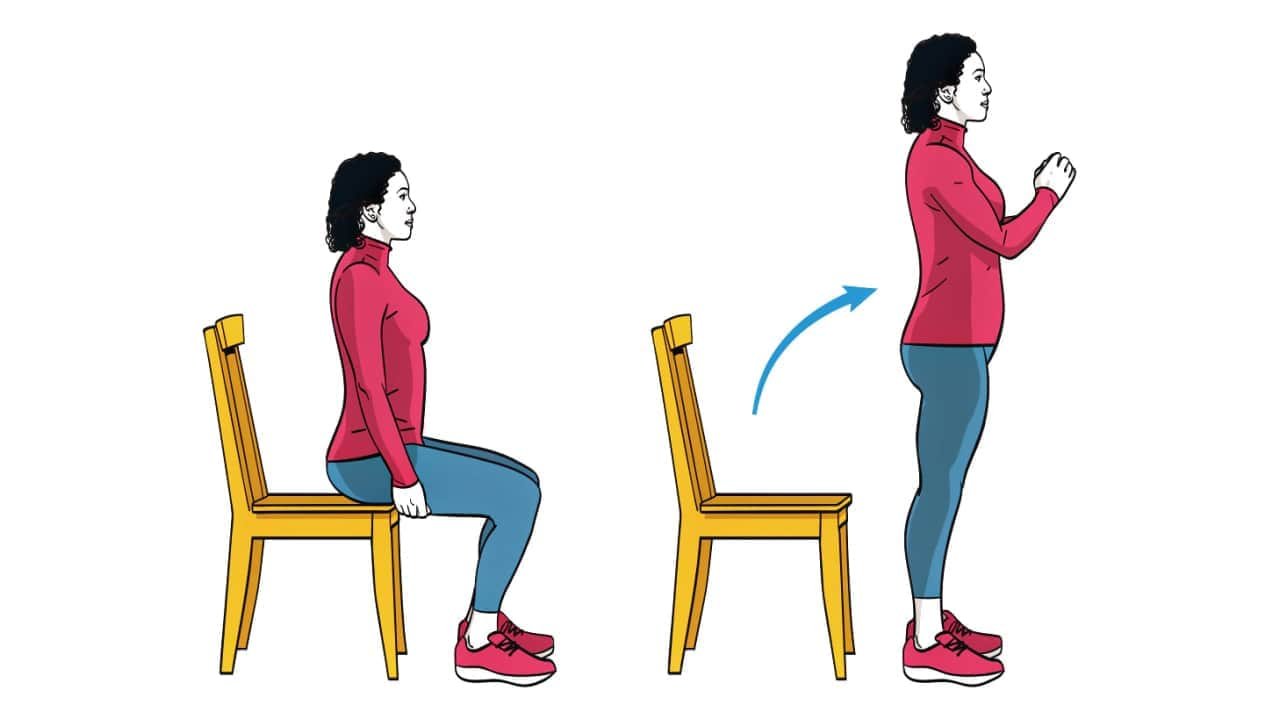
- Sit towards the front of a stable chair, with both feet flat and about hip-width apart.
- Lean your upper body slightly forwards. Keep your knees pointing in the same direction as your toes.
- Press through your feet and stand up slowly, looking ahead.
- Reach back for the chair if needed, then lower yourself gently instead of dropping into the seat.
Start with: up to 5 slow repetitions, or fewer if needed. Rest between attempts.
Make it easier: use a higher, firm seat or armrests if your hands can comfortably help. If standing causes sharp knee or hip pain, stop and ask for an adapted exercise.
2. Gentle Hand Movements and Optional Squeezes
Start by slowly opening your hand, then curling your fingers into a loose fist. You do not need to squeeze tightly. Try a few repetitions with each hand.
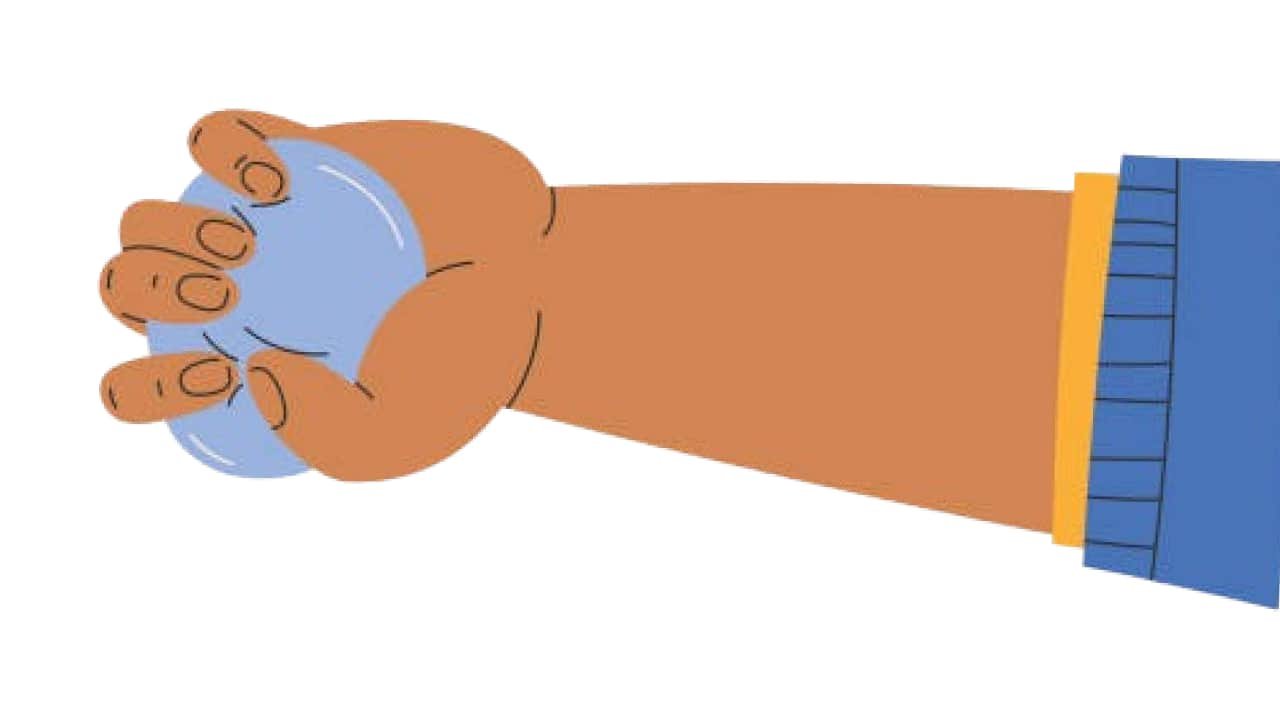
If your joints are settled and grip strengthening is suitable for you, you can try a very soft ball:
- Rest your forearm on a table and keep your wrist comfortable and straight.
- Squeeze the ball gently for a couple of seconds, then fully release.
- Try 3 to 5 squeezes before resting. Use less pressure if your hand feels strained.
Skip the ball during a flare: do not use resistance on hot, swollen or painful finger joints. Gentle movement without squeezing may be more comfortable, but ask a hand therapist if symptoms keep flaring.
3. Seated Ankle Circles
This is a simple way to move your ankles after sitting. Keep the movement small; a bigger circle is not necessarily better.
- Sit with your back supported and one foot resting on the floor.
- Lift the other foot just enough to move it comfortably. Support your leg if needed.
- Draw a small circle with your toes, moving at the ankle rather than swinging the whole leg.
- Try 3 to 5 circles each way, then change feet.
Make it easier: gently point your toes away and bring them back towards you instead. Skip circles if they cause catching or sharp pain.
4. Wall Push-Ups
Wall push-ups work the arms and upper body without getting down on the floor. They still put pressure through the wrists, elbows and shoulders, so they will not suit everyone.
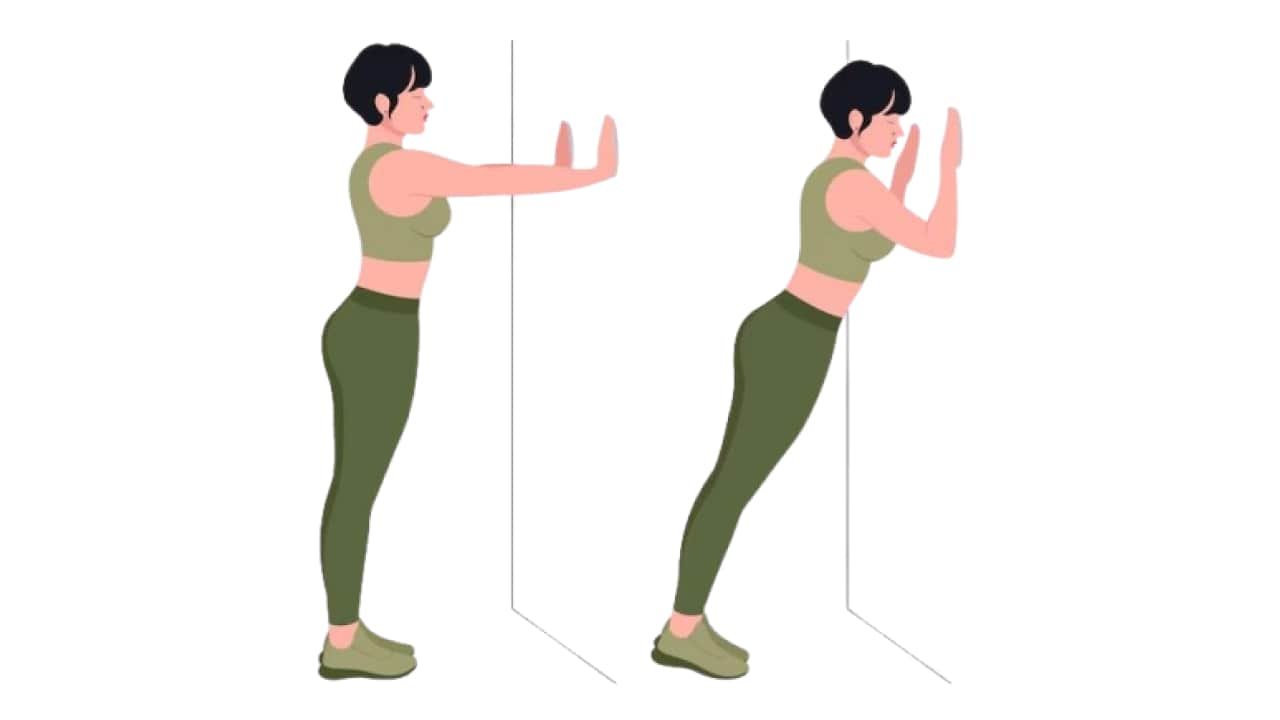
- Stand facing a wall, roughly an arm’s length away, with your feet steady.
- Place your palms on the wall around chest height, fingers pointing upwards.
- Keep your body in a straight line and slowly bend your elbows, bringing your chest towards the wall.
- Push gently back to the starting position without locking your elbows.
Start with: 3 to 5 comfortable repetitions. Standing a little closer to the wall reduces the effort.
Skip it if: supporting your weight hurts your hands, wrists or shoulders. A physiotherapist can suggest an alternative that does not load the painful joint.
5. Gentle Neck Turns, When Suitable
Neck movements need extra care if you have arthritis affecting the neck, rheumatoid arthritis with neck symptoms, or known spinal instability. Ask your clinician before trying these in those situations.
- Sit comfortably with your shoulders relaxed and your head facing forwards.
- Slowly turn your head a little to one side, only as far as feels comfortable.
- Return to the centre, then try the other side. Start with 2 or 3 turns each way.
Do not pull your head with your hand, make full neck circles or force the end of the movement. Stop if you develop dizziness, pain travelling into an arm, tingling or numbness, and seek advice.
6. Adapted Yoga
You do not need to reach your toes or copy a deep stretch to benefit from gentle movement. Choose an instructor who understands arthritis, and explain which joints bother you. Chair-based options are useful if getting onto the floor is difficult.
Child’s pose: optional, not essential
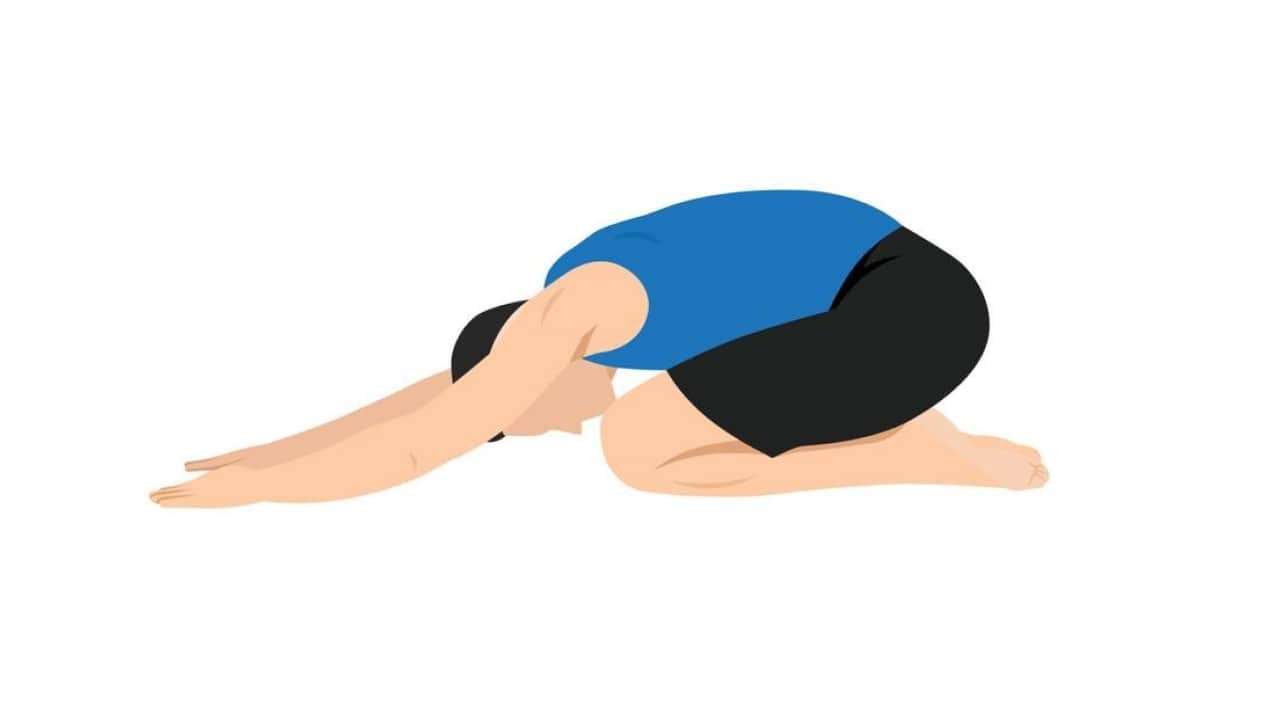
The floor version involves kneeling and moving your hips towards your heels. That deep bend may be uncomfortable for arthritic knees or hips. Skip it if kneeling hurts, you cannot get up safely, or you have been told to avoid deep bending.
A seated alternative: sit facing a table with your feet flat. Rest your forearms on the table and gently lean forwards from the hips, keeping the movement small. Return upright after a few comfortable breaths. Stop if it causes pain.
Cat-cow: choose the version that suits you
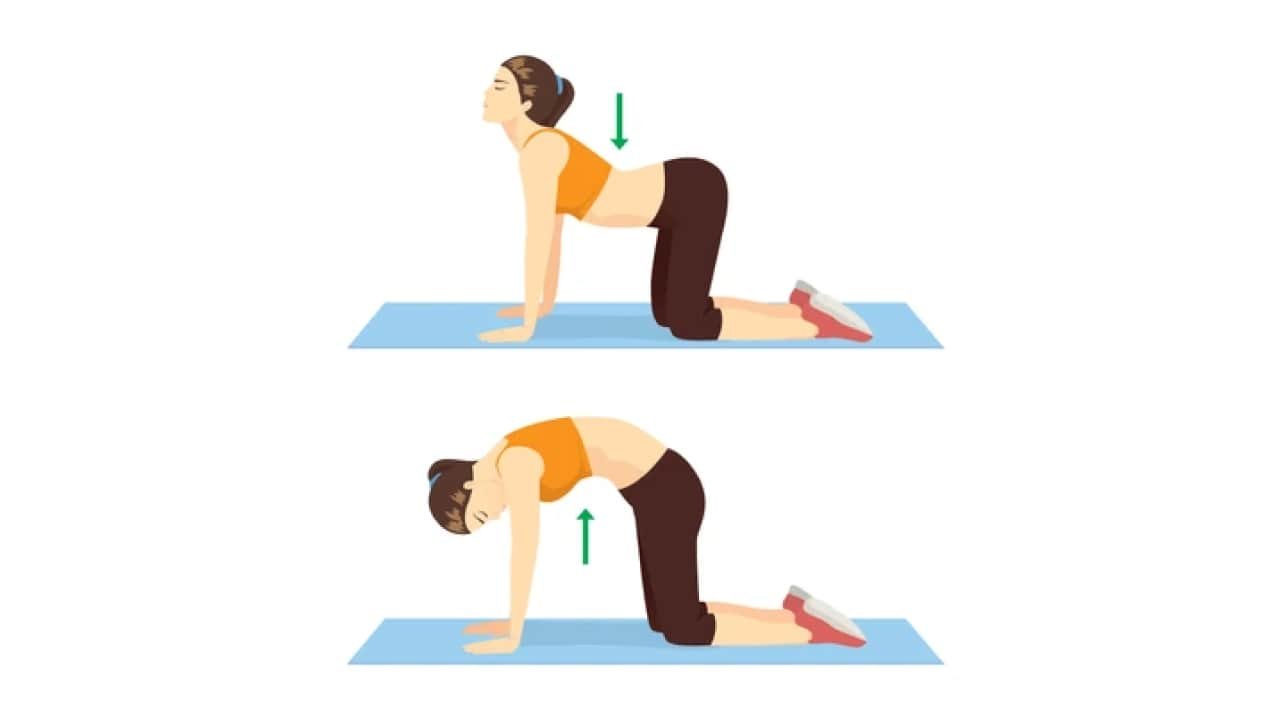
On the floor, cat-cow involves gently rounding and then easing your back towards a slight arch while supported on your hands and knees. Avoid dropping deeply through your lower back or throwing your head backwards.
Try it seated instead: place your feet flat and hands loosely on your thighs. Gently round your upper back, then return to a comfortable upright position and slightly open your chest. Try 3 to 5 slow movements without forcing your neck or back.
If you have a spinal fracture, osteoporosis-related restrictions or recent back surgery, ask for individual advice before bending exercises.
7. Tai Chi and Supported Balance Practice
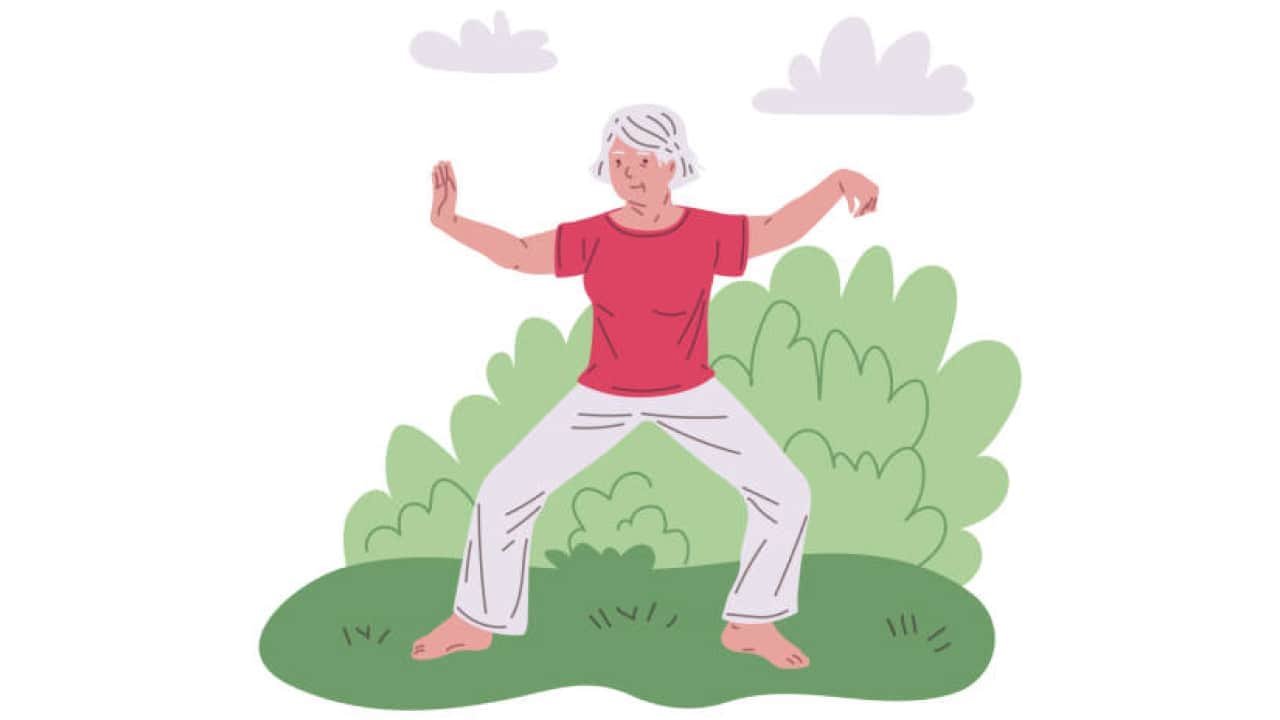
Tai chi uses slow, flowing movements and controlled weight shifts. In an NIH-funded trial, a structured tai chi programme helped people with knee osteoarthritis improve pain and physical function. That finding supports adapted teaching, not the idea that every pose suits every person.
A beginner class with an instructor familiar with arthritis is a good place to learn. Tell them about painful joints or balance concerns. Avoid deep knee bends and unsupported one-leg poses if they feel uncomfortable or unsteady.
A simple supported starting movement: stand at a fixed kitchen counter, holding it lightly with both feet on the floor. Slowly shift a little weight towards one foot, return to the centre, then try the other side. Keep the movement small and your knees relaxed. If you feel unsteady, skip this and ask for guidance.
How Much Should You Do?
A useful routine includes gentle joint movement, some strengthening and an activity that raises your breathing a little, such as walking. You do not have to fit all three into one session.
- First few sessions: warm up, choose two suitable exercises and try one short round. Finish while you still feel in control.
- On other days: try a short, comfortable walk or another activity you enjoy. A few minutes at a time still count.
- As it gets easier: add one or two repetitions or a little more time. Change one thing at a time.
- Allow recovery: start strengthening on two non-consecutive days each week. Comfortable, gentle joint movements may be done more often.
Check how your joints feel later that day and the next morning. If they are noticeably more painful or swollen, reduce the next session rather than trying to make up for it.
What If Exercise Hurts?
Some discomfort can occur when you begin exercise for osteoarthritis. NICE’s exercise guidance explains that regular, tailored exercise can still improve pain and everyday function over time. This does not mean you should ignore worsening symptoms.
Muscle effort is different from a warning sign. Stop the movement if you feel sharp pain, catching, joint giving-way, new numbness or dizziness. Reduce the amount if your joints remain more painful afterwards.
The Arthritis Foundation’s pain advice explains why exercise discomfort needs to be judged by its type and severity. If you are unsure whether your response is normal, ask your physiotherapist to watch your technique.
During an inflammatory flare, ease back on resistance and avoid forcing a hot, swollen joint. Follow your care team’s flare plan; gentle movement within comfort may still be possible.
Get urgent medical advice for a newly hot, swollen joint, especially with fever or feeling unwell. Seek emergency help for chest pain, severe breathlessness or fainting during activity. These are not symptoms to exercise through.
Where Massage and Product May Fit
Some people find gentle massage relaxing alongside their exercise plan. Our guide to massage for arthritis explains suitable approaches and when to avoid massage.
Red Oil can be considered for external massage according to its label, where massage is appropriate. It does not treat the underlying arthritis or replace prescribed care and exercise. Avoid broken or irritated skin, do not massage a hot, swollen joint, and stop if the product irritates your skin.

The best place to start is with a movement you can manage and repeat comfortably. You might begin with a few ankle circles today and a supported sit-to-stand another day. Small, steady progress is more useful than a difficult routine you dread.