10 Daily Habits to Help Prevent and Relieve Back Pain
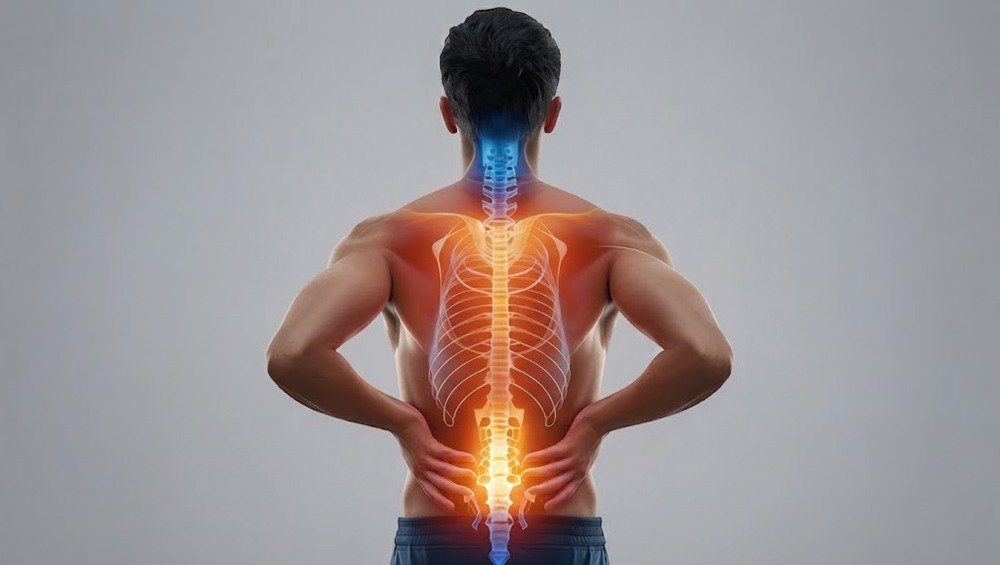
Back pain can affect your work, sleep, exercise, and everyday activities. While some causes of back pain require medical treatment, simple changes to your daily routine may help reduce strain and support a healthier back.
The key is to focus on habits that reduce pressure on your spine, strengthen supporting muscles, encourage good posture, and keep your body moving.
Here are 10 practical habits you can add to your daily routine.
1. Sleep With a Pillow Under Your Knees
Your sleeping position can affect the amount of pressure placed on your lower back. If you sleep on your back, placing a pillow beneath your knees can help keep your spine in a more comfortable position.
The pillow gently raises your legs and may reduce tension in the lower back.
Try this: Use a supportive pillow that keeps your knees slightly elevated without forcing them too high.
If you prefer sleeping on your side, placing a pillow between your knees may help keep your hips and spine aligned.
2. Strengthen Your Core
Your abdominal, back, and pelvic muscles help support your spine. A stronger core can make everyday movements easier and may reduce the risk of certain back injuries.
You don’t need an intense workout to get started. Include gentle core-strengthening exercises in your routine several times a week.
Examples include:
- Bird Dog
- Dead Bug
- Glute Bridge
- Modified Plank
- Pelvic Tilts
Start with exercises that feel comfortable and increase the difficulty gradually.
3. Get Enough Calcium and Vitamin D
Healthy bones are important for maintaining a strong spine. Calcium helps maintain bone strength, while vitamin D helps your body absorb calcium.
Good sources of calcium include:
- Milk
- Yogurt
- Cheese
- Leafy green vegetables
- Calcium-fortified foods
Vitamin D can be found in foods such as:
- Fatty fish
- Egg yolks
- Fortified dairy products
- Fortified cereals
If you’re concerned about your calcium or vitamin D intake, talk with a healthcare professional before starting supplements.
4. Choose Supportive Shoes
The shoes you wear can affect how your body carries weight while standing and walking. Uncomfortable or poorly fitting footwear may contribute to discomfort throughout your legs, hips, and back.
Choose shoes that fit well and provide adequate support. For everyday activities, comfortable shoes with a stable, low heel may be a better choice than very high heels.
If you regularly experience back pain while walking or standing, consider asking a healthcare professional whether your footwear could be contributing to the problem.
5. Practice Good Posture
Good posture can reduce unnecessary strain on your muscles and joints.
When standing, try to:
- Keep your shoulders relaxed.
- Avoid excessive rounding of your upper back.
- Keep your head aligned over your shoulders.
- Distribute your weight evenly between your feet.
- Avoid leaning to one side for long periods.
You don’t need to hold your body rigidly. Instead, aim for a comfortable, natural posture and change positions regularly.
6. Avoid Slouching at Your Desk
Spending hours at a desk can contribute to back and neck discomfort, particularly when your workstation is poorly positioned.
Adjust your chair so that your feet can rest comfortably on the floor. Keep your lower back supported and position your screen so you don’t have to constantly bend your neck forward.
Your knees should generally be around hip level or slightly lower.
Most importantly, don’t stay in one position for hours. Stand up, walk around, and change your sitting position throughout the day.
7. Keep Moving Throughout the Day
Long periods of sitting or standing in one position can leave your back feeling stiff.
Instead of staying in the same position for extended periods, make movement part of your routine. Take short walking breaks, stretch gently, or simply change positions.
For example, you can:
- Walk during phone calls.
- Take brief breaks from your desk.
- Use the stairs when appropriate.
- Walk around after meals.
- Perform gentle stretches during the day.
Regular movement can help keep your muscles and joints flexible.
8. Quit Smoking
Smoking affects many parts of your body and may also be associated with back problems. Nicotine can affect blood flow, while smoking can interfere with the body’s ability to receive oxygen and nutrients.
If you smoke, quitting can benefit your overall health and may support a healthier spine.
If quitting feels difficult, speak with a healthcare professional about evidence-based ways to stop smoking.
9. Carry Less Weight
Heavy or awkward loads can place additional stress on your back. You don’t have to be lifting boxes at work for this to happen—even overloaded backpacks, handbags, groceries, or suitcases can be uncomfortable.
When carrying something heavy:
- Keep the load as close to your body as possible.
- Distribute weight evenly.
- Use both hands when appropriate.
- Avoid twisting while lifting.
- Ask for help with very heavy objects.
- Consider a wheeled bag for bulky loads.
When lifting from the floor, bend your hips and knees and keep the object close to your body rather than bending and twisting through your lower back.
10. Stretch Regularly
Gentle stretching can help reduce stiffness, particularly after spending a long time sitting or standing.
Try incorporating a few simple stretches into your day. Focus on areas that commonly become tight, such as the hips, hamstrings, and back.
You might try:
- Cat-Cow
- Child’s Pose
- Knee-to-Chest Stretch
- Gentle Spinal Twist
- Hip Flexor Stretch
Move slowly and never force a stretch. A mild pulling sensation is generally more appropriate than sharp or worsening pain.
Make These Habits Part of Your Routine
You don’t have to change everything at once. Start with two or three habits that are easy to maintain, such as taking regular movement breaks, improving your sitting position, and stretching for a few minutes each day.
As these habits become part of your routine, gradually add others.
Remember that daily habits can support back health, but they cannot prevent or treat every cause of back pain. If your pain is severe, persistent, getting worse, or accompanied by symptoms such as weakness, numbness, or problems controlling your bladder or bowels, seek medical attention promptly.
The Bottom Line
Taking care of your back doesn’t have to involve complicated changes. Better sleep positioning, regular movement, core strengthening, supportive footwear, good posture, healthy lifting habits, and regular stretching can all contribute to better back care.
The most important habit is consistency. Small changes repeated every day can make it easier to protect your back and stay active over time.