15 Home Remedies for Knee Pain Relief
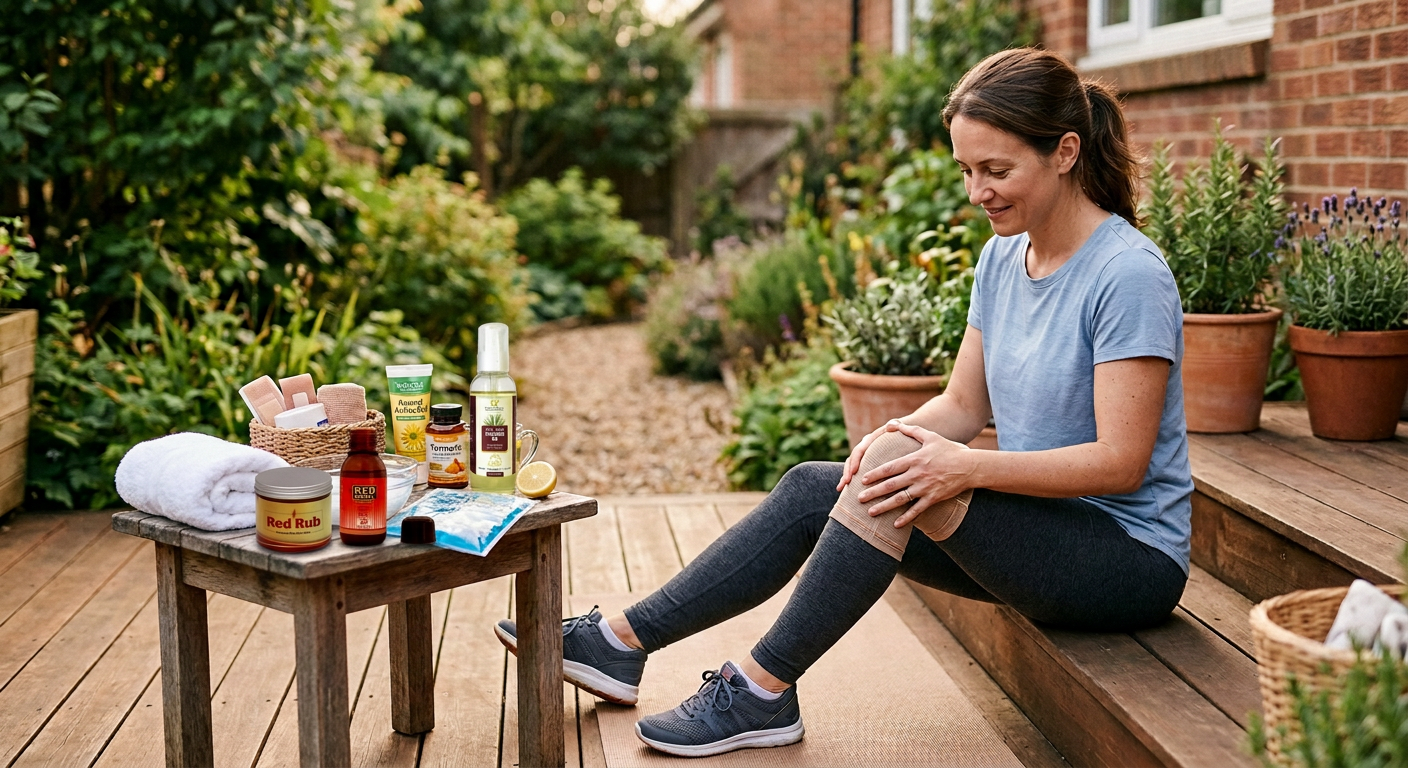
Knee pain is a common problem that can affect people of all ages. It may happen because of an injury, overuse, arthritis, or another health problem. Pain can make simple tasks such as walking, climbing stairs, or exercising harder.
The good news is that several simple home remedies for knee pain may help reduce pain and stiffness. Rest, ice, heat, gentle exercise, stretching, massage, and weight control are some options you can try at home.
If you want to learn more about the condition, read our guide on What Is Knee Pain? to understand common causes, symptoms, and treatment options.
Keep in mind that home remedies may not work for every cause of knee pain. If your pain is severe, lasts for a long time, or gets worse, talk to a healthcare professional.
What Causes Knee Pain?
Knee pain can feel like a dull ache, sharp pain, or soreness. Common causes include:
Arthritis
Osteoarthritis can damage the cartilage in the knee over time. This may lead to pain, swelling, and stiffness.
Knee Injuries
Injuries can affect the ligaments, meniscus, bones, or other parts of the knee. Some injuries need quick medical care.
Overuse
Too much exercise, repeated movement, or standing for long periods can put extra stress on the knee.
Bursitis
Bursitis happens when small fluid-filled sacs around the knee become irritated. It can cause pain and swelling.
Tendonitis
Tendonitis can occur when the tendons around the knee become irritated after repeated use or strain.
Other Causes
Gout, infections, and problems with the kneecap can also cause knee pain.
Knowing the possible cause of your pain can help you choose the right care.
15 Home Remedies for Knee Pain Relief
These simple home remedies may help manage mild knee pain and improve comfort.
1. Rest and Elevate Your Knee
Rest gives your knee time to recover after exercise or minor strain. Avoid activities that make the pain worse.
When resting, place a few pillows under your leg to raise the knee. Elevating the leg may help reduce swelling.
How it may help:
- Gives the knee time to rest.
- May reduce swelling.
- Helps prevent extra stress on the joint.
2. Use an Ice Pack
Ice can help with pain and swelling, especially after an injury or hard physical activity.
Wrap an ice pack in a thin towel before placing it on your knee. Apply it for about 15 to 20 minutes at a time. Never put ice directly on your skin.
How it may help:
- Helps reduce swelling.
- Can numb pain for a short time.
- May calm irritation after activity.
3. Try Heat Therapy
Heat can be useful when your knee feels stiff or tight. A warm towel, heating pad, or warm bath may help relax the muscles around the knee.
Heat may be more suitable for ongoing stiffness than for a new injury with swelling.
How it may help:
- Relaxes tight muscles.
- May reduce stiffness.
- Can make movement feel more comfortable.
4. Take a Warm Epsom Salt Bath
A warm bath can help you relax and may ease muscle tightness. Some people also add Epsom salt to their bath.
Add Epsom salt to warm water and soak the affected area. Avoid very hot water, especially if your skin is sensitive.
How it may help:
- Helps you relax.
- May ease muscle tightness.
- Can make stiff areas feel more comfortable.
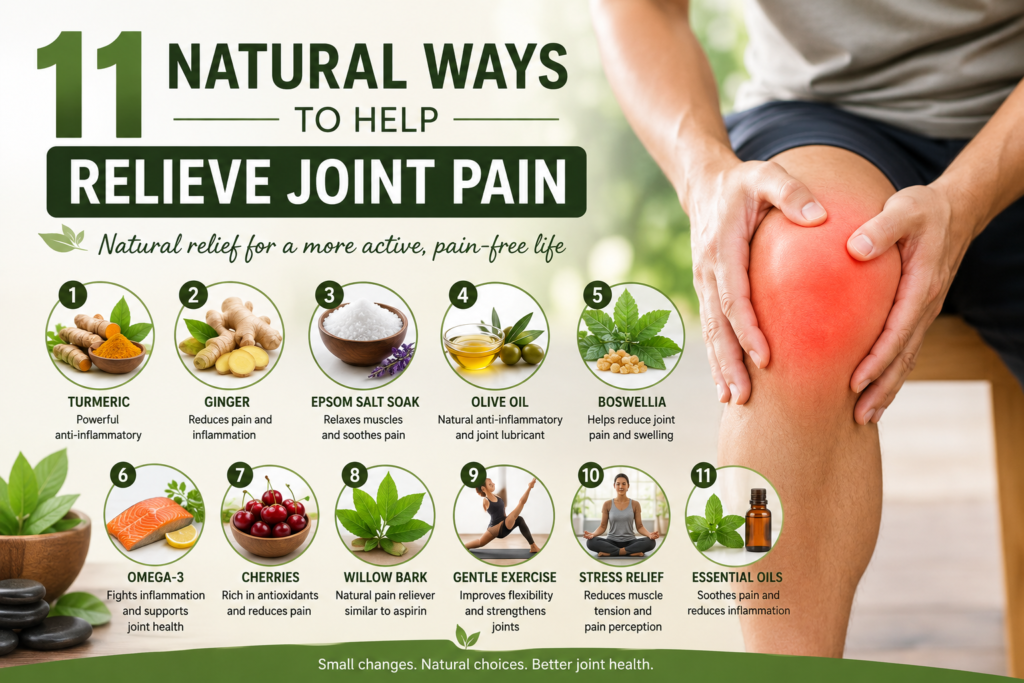
5. Add Turmeric and Ginger to Your Diet
Turmeric and ginger are common ingredients in many diets. Both contain natural compounds that have been studied for their possible effects on inflammation.
You can add turmeric or ginger to food, tea, or smoothies. If you want to take supplements, talk to a healthcare professional first.
How they may help:
- Add useful plant compounds to your diet.
- May support a healthy response to inflammation.
- Can be part of a balanced diet.
6. Apple Cider Vinegar
Apple cider vinegar is often mentioned as a natural remedy for joint pain. However, there is limited evidence that it can treat knee pain.
If you drink apple cider vinegar, always dilute it with water. Do not apply strong vinegar directly to your skin because it may cause irritation.
Important: Apple cider vinegar should not replace proper care when knee pain continues.
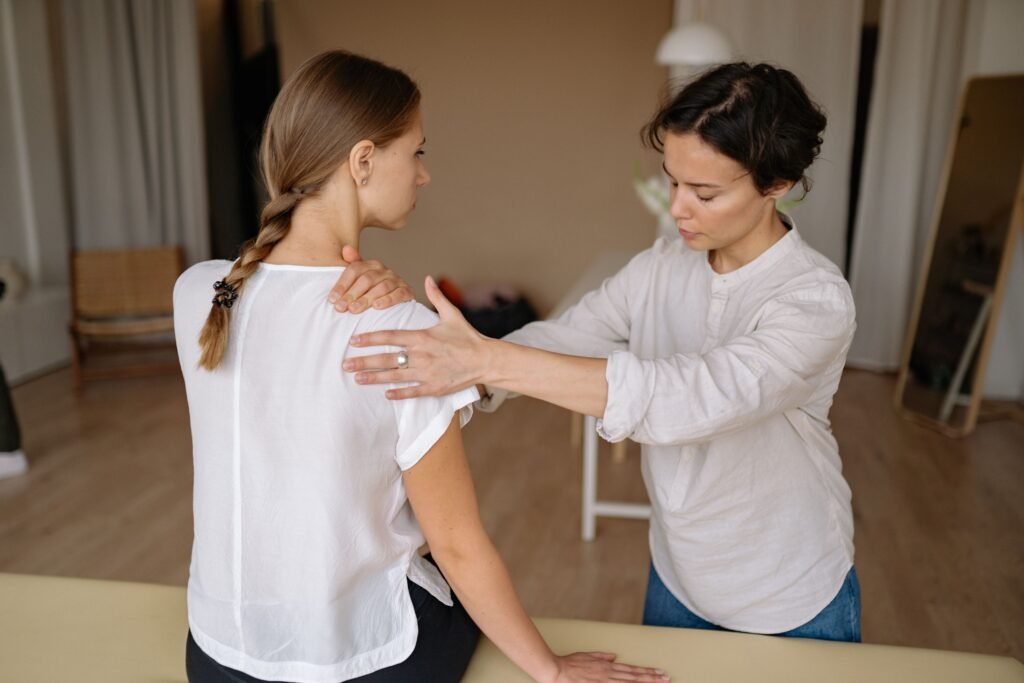
7. Massage the Area Gently
A gentle massage may help relax the muscles around the knee. You can also massage the thigh and calf muscles to help ease muscle tightness.
Use a suitable massage oil or lotion if needed. Avoid strong pressure on a swollen or recently injured knee.
For more ideas, you can also read our guide to 8 Natural Treatments for Knee Pain.
How it may help:
- Helps relax tight muscles.
- May improve comfort.
- Can make movement feel easier.
8. Use a Compression Sleeve
A compression sleeve or wrap can provide support and may help control swelling.
Make sure the wrap is not too tight. Remove it if you notice numbness, tingling, more pain, or a change in skin color.
How it may help:
- Gives the knee extra support.
- May reduce swelling.
- Can improve the feeling of stability.
9. Maintain a Healthy Weight
Extra body weight can put more pressure on the knees. This is especially true during walking, running, climbing stairs, and other activities.
A healthy eating plan and regular activity can help with weight control. Even small, steady changes may support better joint health.
How it may help:
- Reduces stress on the knees.
- Supports joint health.
- May make movement easier.
10. Strengthen the Muscles Around Your Knee
Strong leg muscles help support the knee during daily activities. Exercises such as leg raises, hamstring curls, and wall sits may help build strength.
Start slowly and use good form. Stop if an exercise causes sharp or severe pain.
You can also explore our guide to Yoga Poses for Back Pain: Gentle Stretches to Relieve Pain for gentle stretching ideas that may complement a healthy movement routine.
How it may help:
- Builds strength around the knee.
- Gives the joint better support.
- May improve movement.
11. Do Gentle Knee Stretches
Stretching can help improve flexibility and reduce tightness in the muscles around your knee.
Focus on the quadriceps, hamstrings, and calf muscles. Move slowly and never force a stretch into a painful position.
Gentle movement and stretching can be useful parts of a regular mobility routine.
How it may help:
- Improves flexibility.
- Supports a better range of motion.
- May reduce muscle tightness.
12. Eat More Magnesium-Rich Foods
Magnesium is an important nutrient that helps normal muscle function. Foods such as nuts, seeds, beans, and leafy green vegetables contain magnesium.
Try to get nutrients from a balanced diet. If you think you may need a magnesium supplement, ask a healthcare professional for advice.
How it may help:
- Supports normal muscle function.
- Helps you get important nutrients.
- Supports a balanced diet.
13. Consider Capsaicin for Pain Relief
Cayenne pepper contains capsaicin. This natural compound is used in some topical pain-relief products.
Instead of making a strong cayenne pepper paste at home, consider a properly made topical product and follow its label directions. Cayenne can irritate or burn the skin.
For another topical option, Red Rub Pain Relief Balm is formulated with ingredients such as menthol, clove oil, cinnamon oil, wintergreen oil, and moringa oil. The product is intended for external use and should be applied according to its instructions.
How it may help:
- May affect pain signals.
- Can provide temporary relief for some types of pain.
14. Eat Pineapple for Bromelain
Pineapple contains bromelain, a group of natural enzymes. Bromelain has been studied for its possible effect on inflammation.
Fresh pineapple can be part of a healthy diet. If you are thinking about bromelain supplements, speak with a healthcare professional first.
How it may help:
- Adds fruit to your diet.
- Provides natural bromelain.
- May support overall nutrition.
15. Drink Enough Water
Staying hydrated is important for your overall health. Drinking enough water can also help you stay active and support normal body function.
Drink water throughout the day. You may need more fluids during hot weather or after exercise.
How it may help:
- Supports normal body function.
- Helps you stay active.
- Supports overall health.
When Should You See a Doctor for Knee Pain?
Home remedies may help with mild pain, but some symptoms need medical attention.
Talk to a healthcare professional if:
- Your knee pain is severe.
- Pain continues or gets worse.
- Swelling does not improve.
- Your knee looks deformed.
- Your knee feels weak or unstable.
- You cannot bend or straighten your knee.
- You have fever, redness, or strong warmth around the knee.
- Your pain started after a serious injury.
These signs may point to an injury or another problem that needs proper treatment.
How to Prevent Knee Pain
You cannot prevent every cause of knee pain. However, healthy habits may help protect your knees.
Helpful habits include:
- Keep a healthy weight.
- Exercise regularly.
- Strengthen your leg muscles.
- Stretch to maintain flexibility.
- Increase exercise slowly.
- Wear comfortable and supportive shoes.
- Take breaks during long periods of activity.
- Give your body time to recover.
- Do not ignore ongoing knee pain.
Frequently Asked Questions About Knee Pain
What is the best home remedy for knee pain?
There is no single remedy that works for everyone. Rest, ice, heat, gentle exercise, stretching, massage, and weight management may help, depending on the cause of the pain.
Is ice or heat better for knee pain?
Ice may be helpful after a recent injury or when swelling is present. Heat may feel better for stiffness and tight muscles. Avoid heat on a new injury that is swollen.
Can exercise help knee pain?
The right exercises can strengthen the muscles around the knee and support better movement. Start slowly and stop if an exercise causes severe or worsening pain.
Is massage good for knee pain?
Gentle massage may help relax tight muscles around the knee. Avoid deep massage on a swollen, injured, or very painful area.
Can a pain relief balm help with knee discomfort?
A topical balm may provide soothing comfort for some types of muscle and joint discomfort. If you choose a product such as Red Rub Pain Relief Balm, use it only as directed and follow the product’s safety instructions.
When should I see a doctor for knee pain?
See a healthcare professional if the pain is severe, lasts for a long time, gets worse, or comes with major swelling, instability, fever, redness, or difficulty moving the knee.
Final Thoughts
Mild knee pain can sometimes be managed with simple home care. Rest, ice, heat, gentle stretching, strengthening exercises, massage, compression, and weight control are common options.
The best approach depends on what is causing your knee pain. A home remedy may provide short-term comfort, but it may not treat the cause of the problem.
If your knee pain continues or becomes worse, get professional medical advice. Early care can help protect your mobility and keep you active.
For people looking for additional topical comfort, you can also learn more about Red Rub Pain Relief Balm and follow the product directions for external use.