11 Natural Ways to Help Relieve Joint Pain
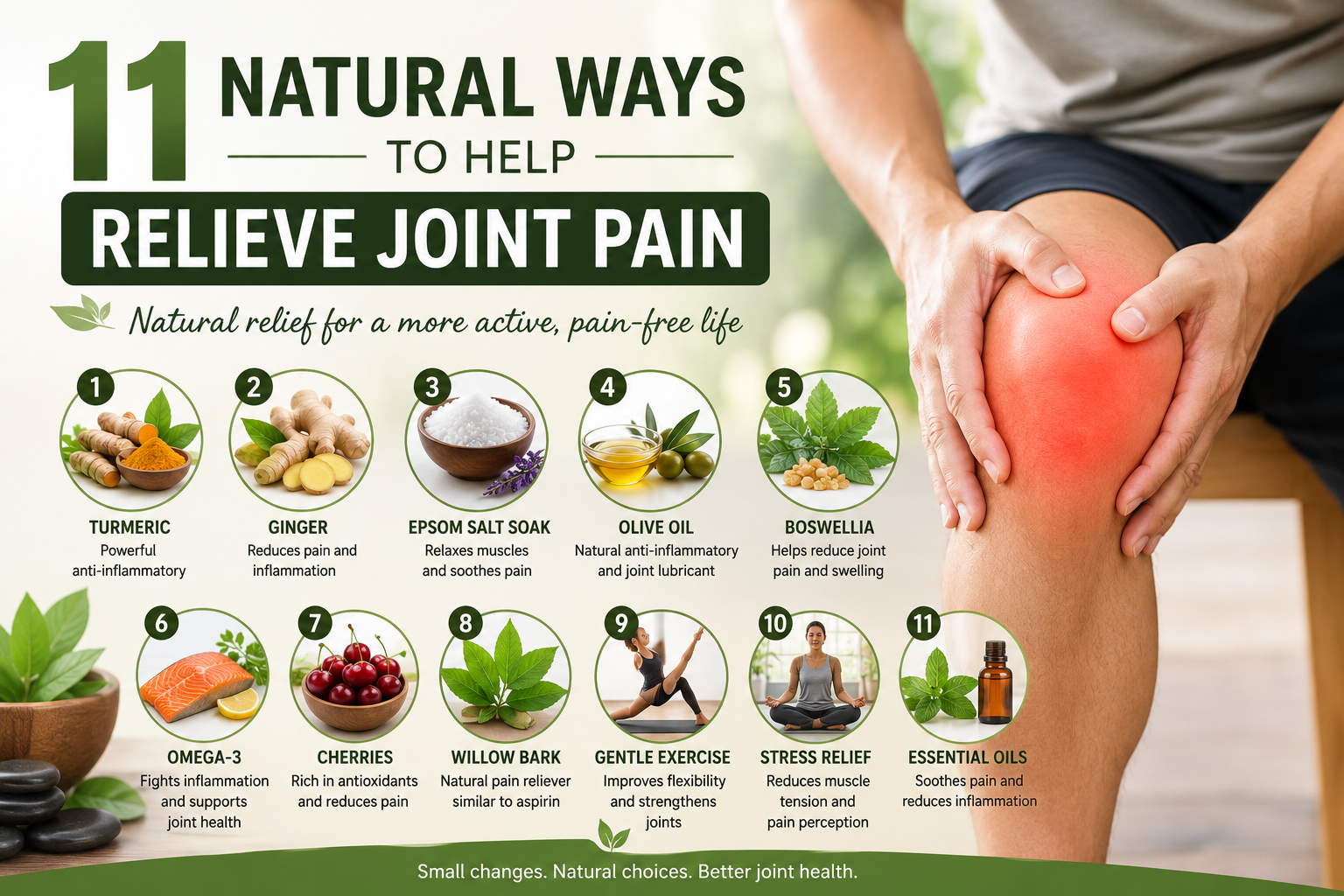
Many people with arthritis and other types of joint pain look for natural ways to feel better. Simple lifestyle changes may help reduce discomfort, improve movement, and make daily activities easier.
Natural approaches do not work the same way for everyone. You can try one method at a time or combine several approaches to find what works best for you. If you have ongoing or severe pain, speak with a healthcare professional before starting a new treatment.
1. Stay Active
Regular movement can help reduce joint pain and improve flexibility. Exercise also strengthens the muscles that support your joints.
Choose activities that match your fitness level. Walking, swimming, water exercise, and tai chi are gentle options that may be easier on painful joints.
Start slowly and increase your activity as your body becomes more comfortable with movement.
2. Eat More Fiber
A diet rich in fiber may be helpful for people with osteoarthritis. Fiber is found in foods such as fruits, vegetables, beans, whole grains, nuts, and seeds.
High-fiber foods can also support a healthy balance of bacteria in the digestive system. A healthy gut may support overall health and help the body manage inflammation.
Try adding more fiber to your meals gradually and drink enough water throughout the day.
3. Use Heat for Stiff Joints
Heat can help soothe sore and stiff joints. It may relax tight muscles, improve blood flow, and make movement feel more comfortable.
You can try several forms of heat therapy, including:
- A hot water bottle
- A warm gel pack
- A heating pad
- A warm bath
- A warm towel
Use comfortable heat rather than very high temperatures. Protect your skin from burns and follow the instructions for any heating device.
4. Try Cold Therapy
Cold therapy may help when joint pain is linked to swelling or inflammation. A cold pack can temporarily numb the area and reduce discomfort.
Wrap an ice or cold pack in a thin towel before placing it on your skin. Apply it for a short period and allow your skin to return to its normal temperature before using it again.
Cold therapy can be especially useful after physical activity when a painful joint feels swollen or irritated.
For more practical tips, see our guide to 15 Home Remedies for Knee Pain Relief.
5. Stay Connected With Others
Living with ongoing pain can affect your mood and daily life. Spending time with supportive people may help you cope with pain and stay involved in normal activities.
Consider joining a local group, volunteering, taking part in a hobby, or connecting with an online community. Talking with people who understand your experience may also help you feel less isolated.
Social support is not a replacement for medical care, but it can be a useful part of managing life with chronic pain.
6. Stretch Regularly
When pain makes you move less, your joints and muscles can become stiff. Gentle stretching can help maintain flexibility and range of motion.
Focus on slow, comfortable movements. Avoid bouncing or forcing a joint into a painful position.
For knee discomfort, gentle leg and knee stretches may be useful. If you are unsure which stretches are right for you, ask a doctor or physical therapist for guidance.
7. Add Turmeric to Your Diet
Turmeric contains curcumin, a natural compound that has been studied for its possible anti-inflammatory effects.
You can add turmeric to meals, soups, sauces, tea, or smoothies. If you are considering a curcumin supplement, talk with your healthcare provider first. Supplements may not be suitable for everyone and can interact with some medicines.
Using turmeric as part of a balanced diet is a simple way to include this popular spice in your daily routine.
8. Improve Your Sleep
Good sleep is important when managing pain. Poor sleep can make it harder to cope with discomfort and may affect your energy during the day.
Create a simple bedtime routine to support better sleep:
- Keep your bedroom quiet and comfortable.
- Keep the room dark when possible.
- Avoid using electronic devices close to bedtime.
- Go to bed and wake up at similar times each day.
- Give yourself enough time to sleep.
Better sleep may help you feel more rested and better prepared to manage daily activities.
9. Practice Meditation
Meditation is a simple way to relax the mind and body. It can be done almost anywhere and does not require special equipment.
Start with just a few minutes each day. Sit or lie somewhere comfortable, close your eyes, and focus on your breathing or a calming sound.
As you become more comfortable, you can gradually increase your meditation time. Guided meditation is another option for beginners.
10. Consider Acupuncture
Acupuncture is an ancient Chinese practice that uses thin needles at specific points on the body. Some people use acupuncture as part of their approach to managing chronic pain.
Research on acupuncture varies by condition, but studies have suggested that it may provide pain relief for some people with conditions such as knee or hip arthritis, neck pain, and certain types of back pain.
If you are considering acupuncture, choose a qualified and properly trained practitioner. Ask about their experience and training before treatment.
11. Try a Gentle Massage
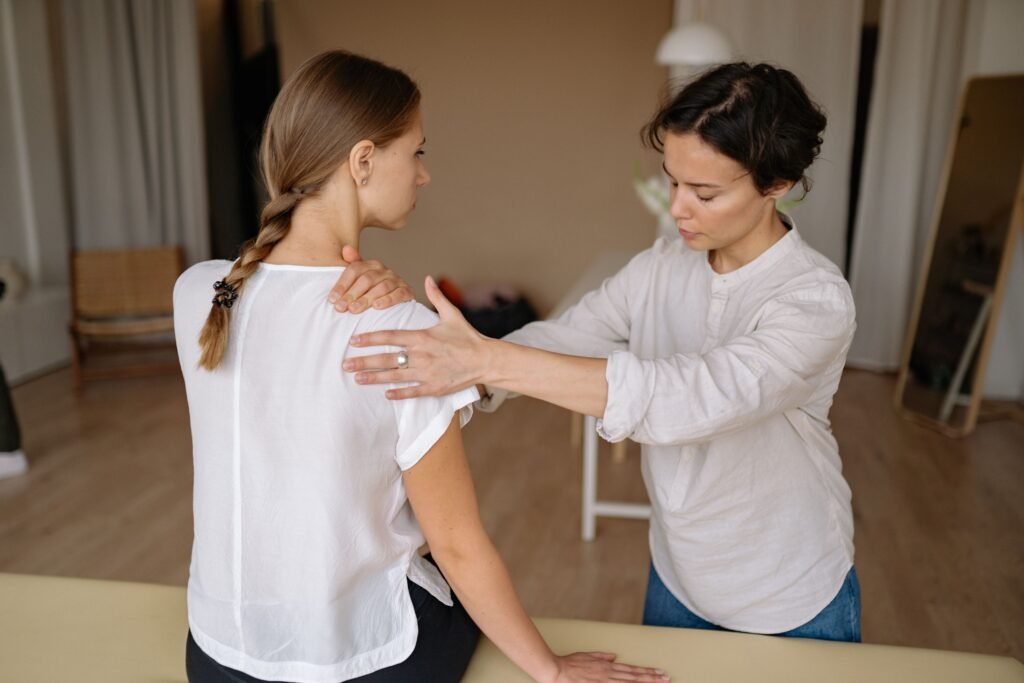
Massage may help relax tight muscles and provide a calming effect. Some studies have also found that massage may reduce pain in people with osteoarthritis or rheumatoid arthritis, although results have varied.
A gentle massage can focus on the muscles around a painful joint rather than applying strong pressure directly to the joint.
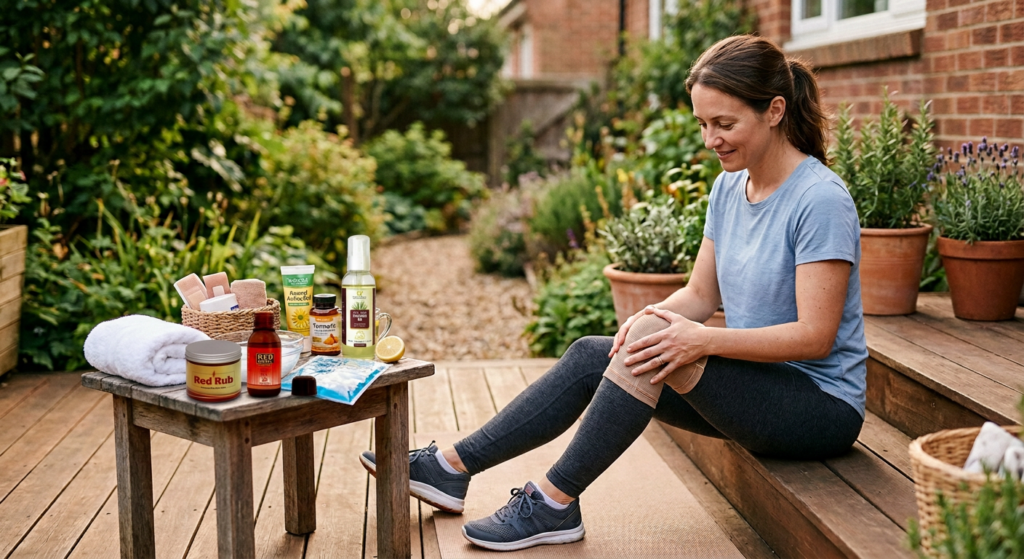
For people looking for a topical balm during massage, Red Rub Pain Relief Balm and Black Seed Rub are two different balm formats in the PainRelief range. Use either only as directed for external application and avoid broken or irritated skin.
If you have a recent injury, significant swelling, or severe pain, ask a healthcare professional before getting a massage.
More Natural Ways to Manage Knee Pain
Joint pain can affect different parts of the body, but the knees are especially common areas of discomfort. If knee pain is your main concern, our guide to 8 Natural Treatments for Knee Pain covers additional approaches that may help support comfort and mobility.
Combining Natural Approaches for Joint Pain
There is no single natural treatment that works for everyone. Some people may benefit from combining several simple habits, such as regular movement, stretching, healthy eating, good sleep, relaxation, and massage.
The most useful approach is one that fits your lifestyle and that you can follow consistently.
For knee-specific advice, you can also explore 15 Home Remedies for Knee Pain Relief and learn about simple ways to manage mild knee discomfort at home.
Natural methods may provide some relief, but they should not replace medical care when joint pain is severe, persistent, or getting worse. Talk with a healthcare professional to find out what may be causing your pain and which treatments are suitable for you.