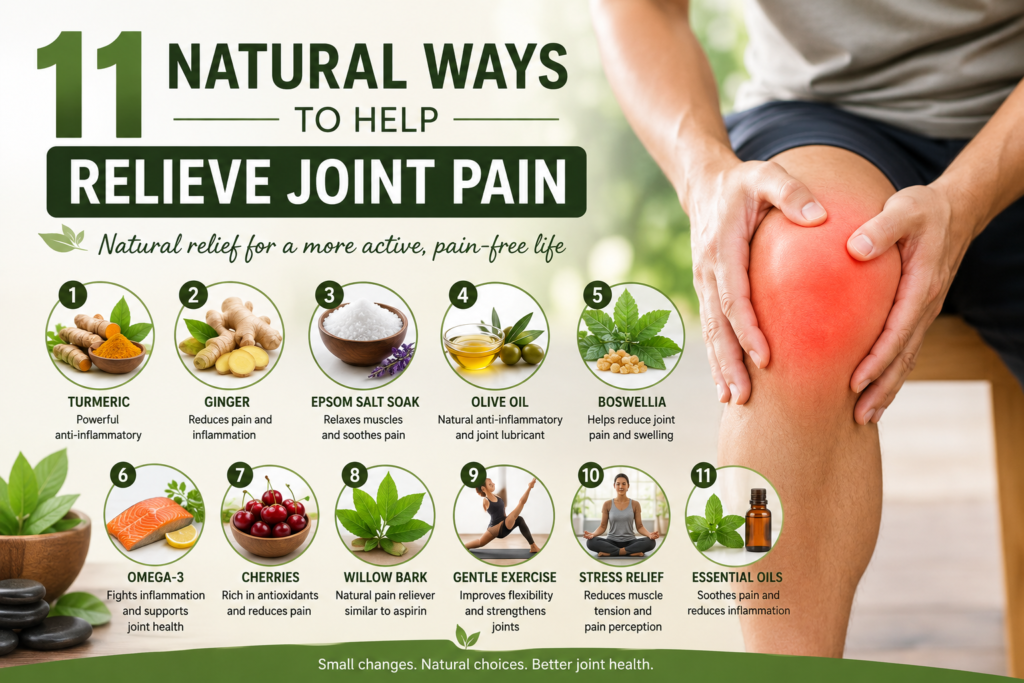
What Is Knee Pain?

Knee pain is any sort of discomfort experienced in the knee joint. Depending on the type of pain and muscle discomfort, visit our pain relief resources.its location will give you clues to what the underlying cause could be.
The knee joint attaches your thigh bone to your shin bone. This joint is the largest joint in your body and bears much of your body weight in activities like running and bending.
Since it is a very active part of your body, the knee joint is one of the most prone to injuries. It could either be temporary pain that resolves with rest or an issue that needs medical attention.
While some people experience knee pain when moving around, there are those who suffer from pain when stationary and even while lying down. Pain may also increase at night or in the morning following a physically active day.
Simple knee pain that does not interfere with movement can be managed with rest, medications, and avoiding activities that increase your pain.
What Are The Possible Causes of Knee Pain?
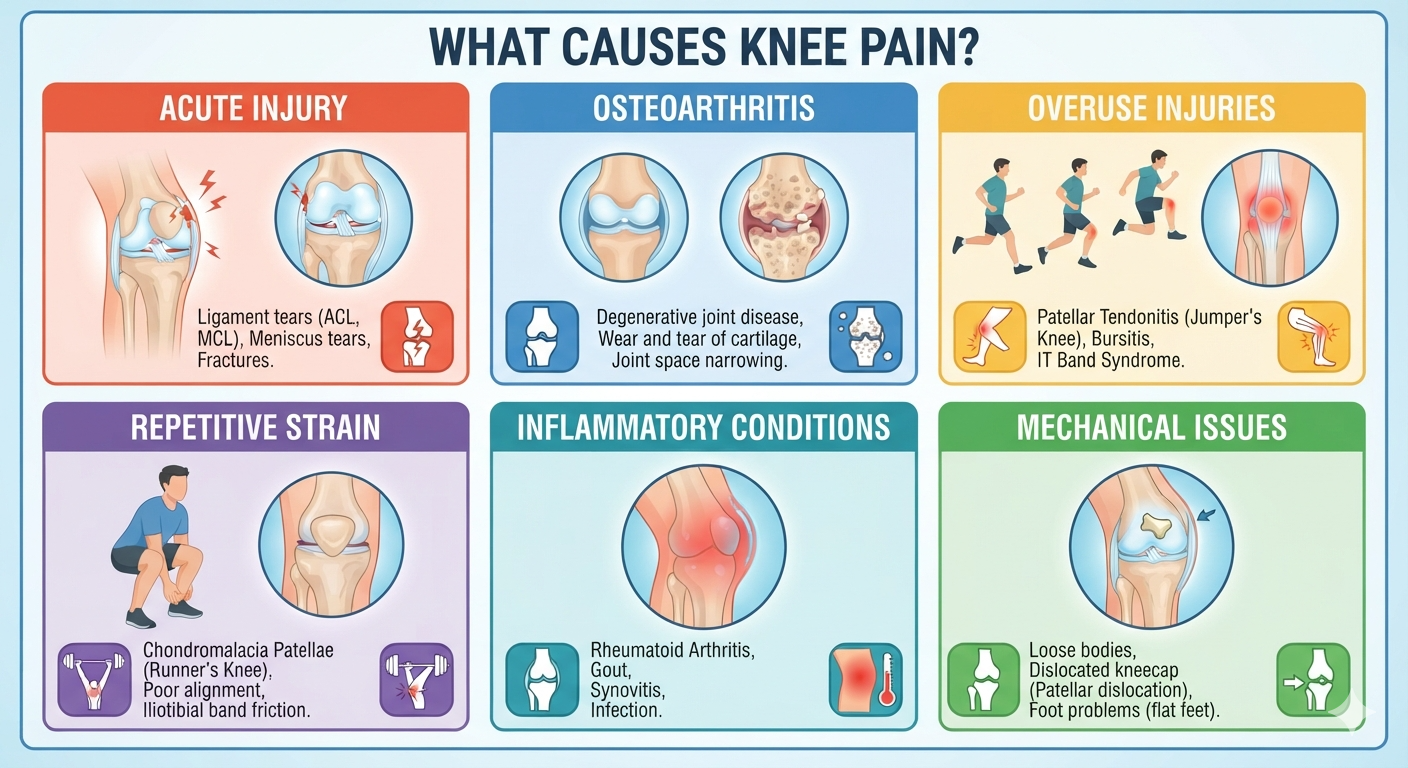
Many factors could lead to knee pain. They include:
Arthritis: One of the most common types of arthritis affecting your knees is knee arthritis. Osteoarthritis results from wearing down of cartilage in the joint.
Injuries: Such as sprains, tears in the ligaments, meniscus tears, and other forms of damage to the knee joint.
Overuse: Activities such as running, jumping, kneelings, and bending too frequently can put a lot of strain on your knee joints.
Due to the similarity in symptoms, determining the cause of your knee pain might be a bit hard without a medical assessment.
Knee Pain Location Chart?
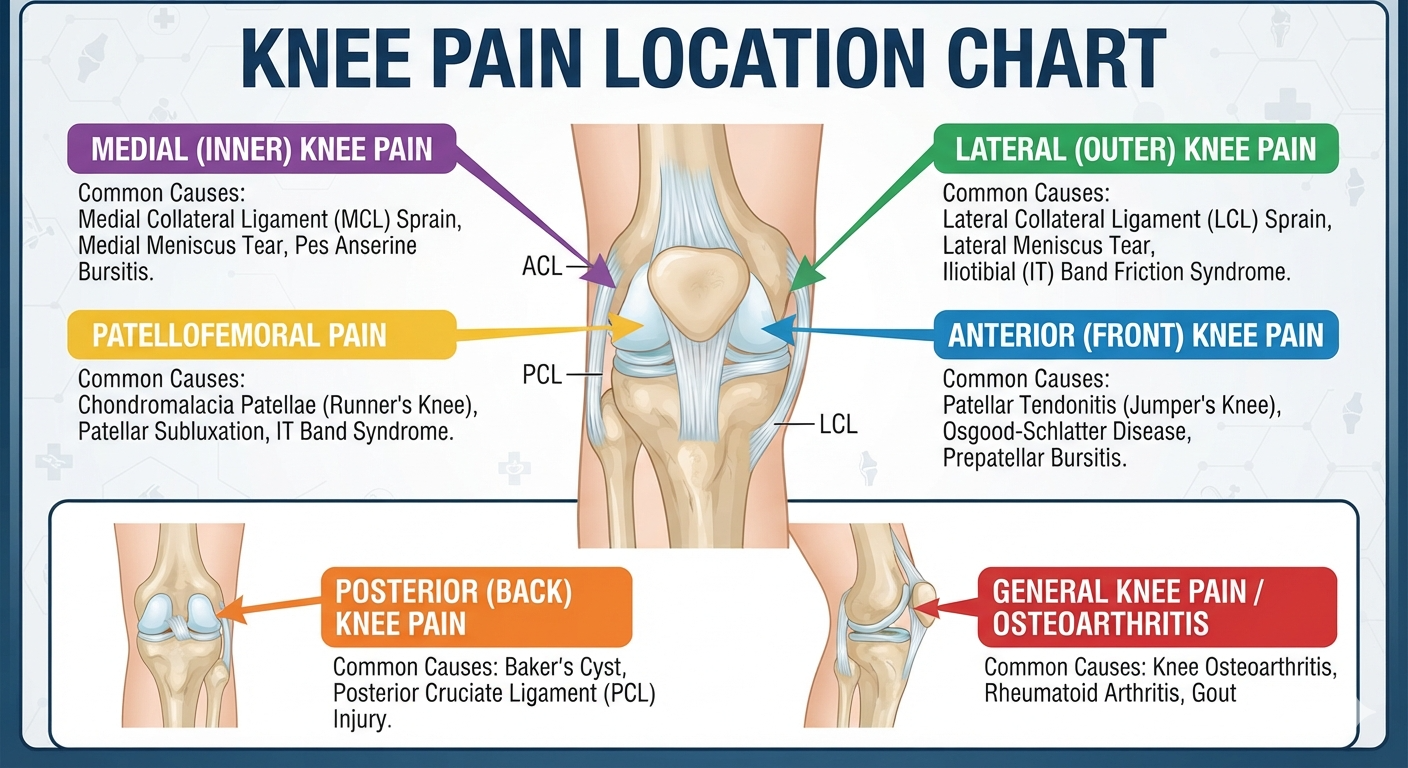
The place of the pain in your knee can help pinpoint the possible cause. Below are some areas where you might feel pain in your knee.
Front of the Knee
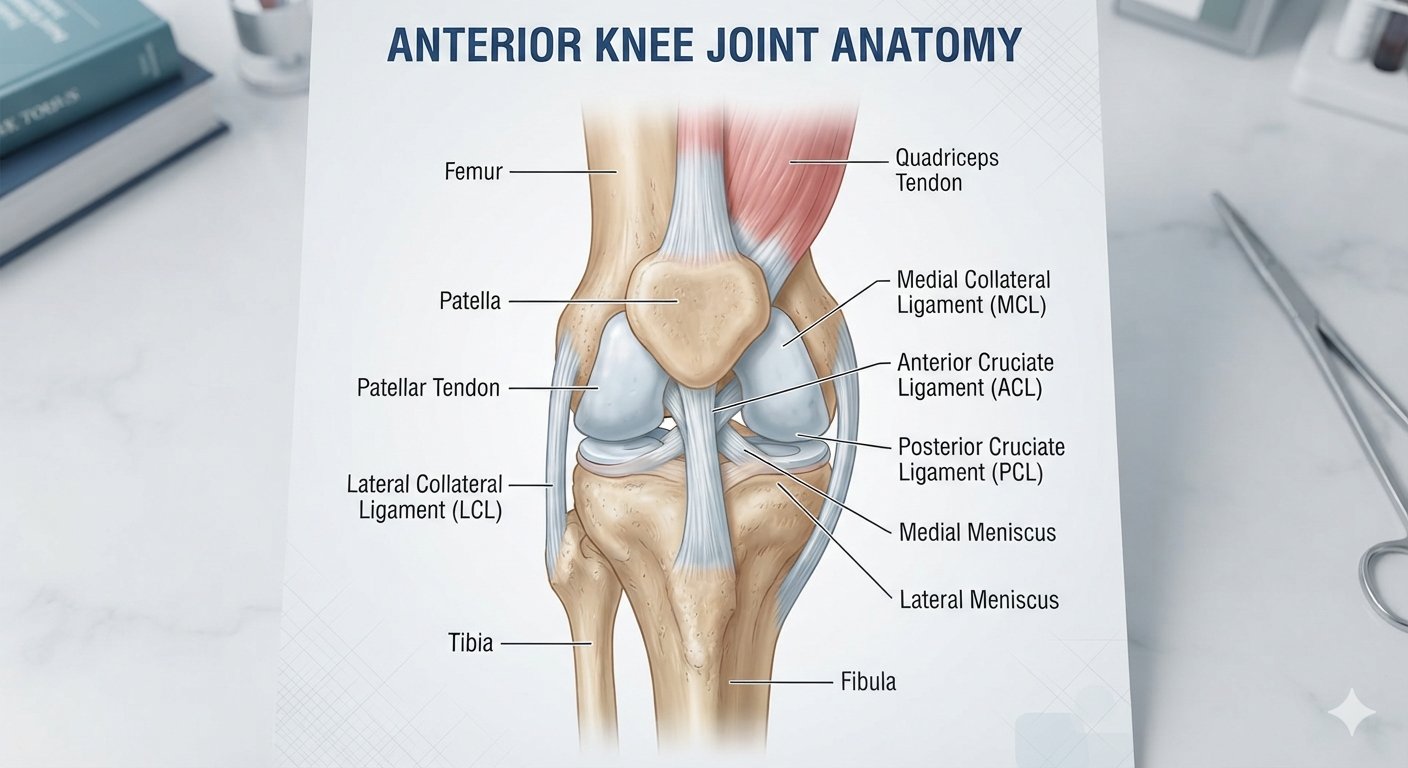
Pain at the front part of your knee can result from bursitis, patellofemoral pain syndrome, and arthritis.
Back of the Knee
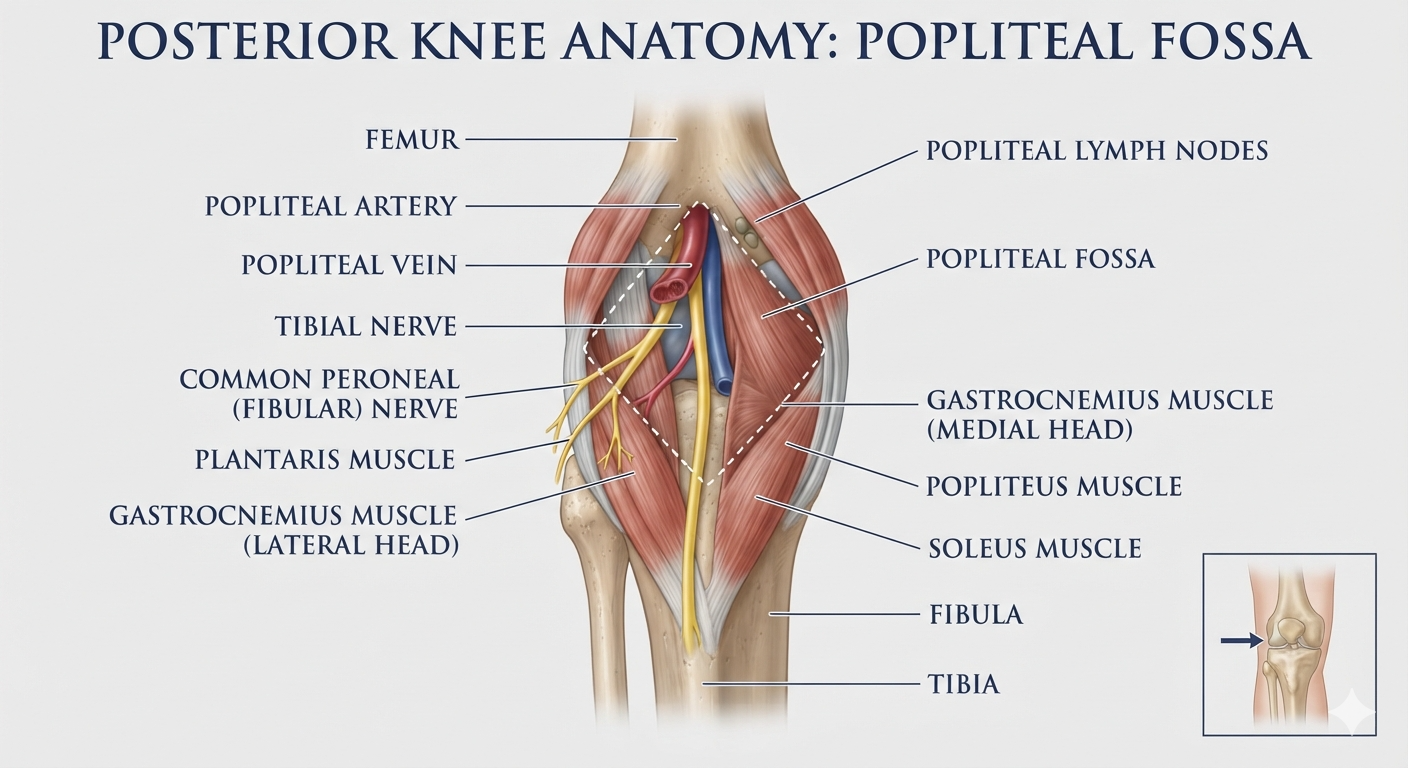
Pain behind your knee can be caused by injuries to your tendons, ligaments, arthritis, baker cysts, or muscle tightness.
Inner Side of the Knee
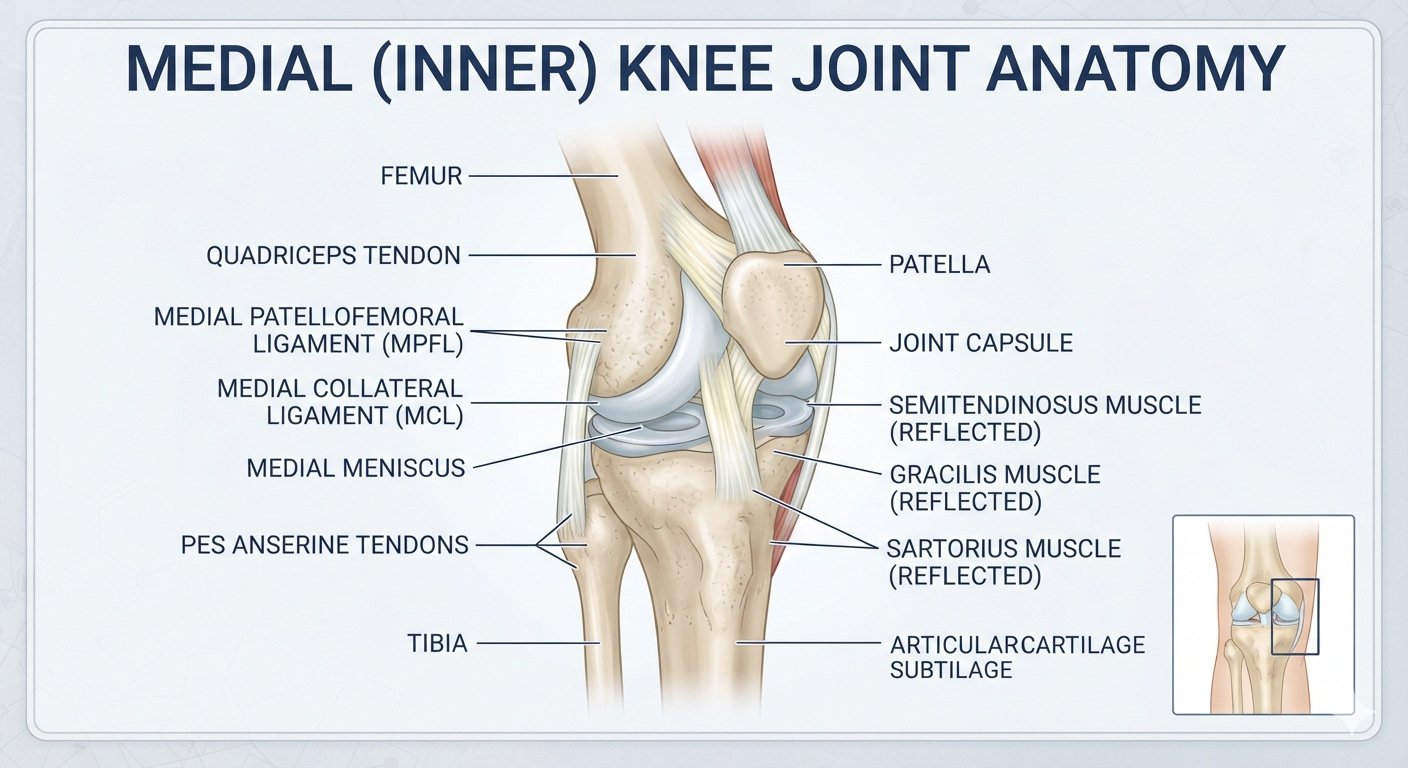
This type of pain occurs because of injury to your medial collateral ligament, meniscal issues, and arthritis.
Outer Side of the Knee
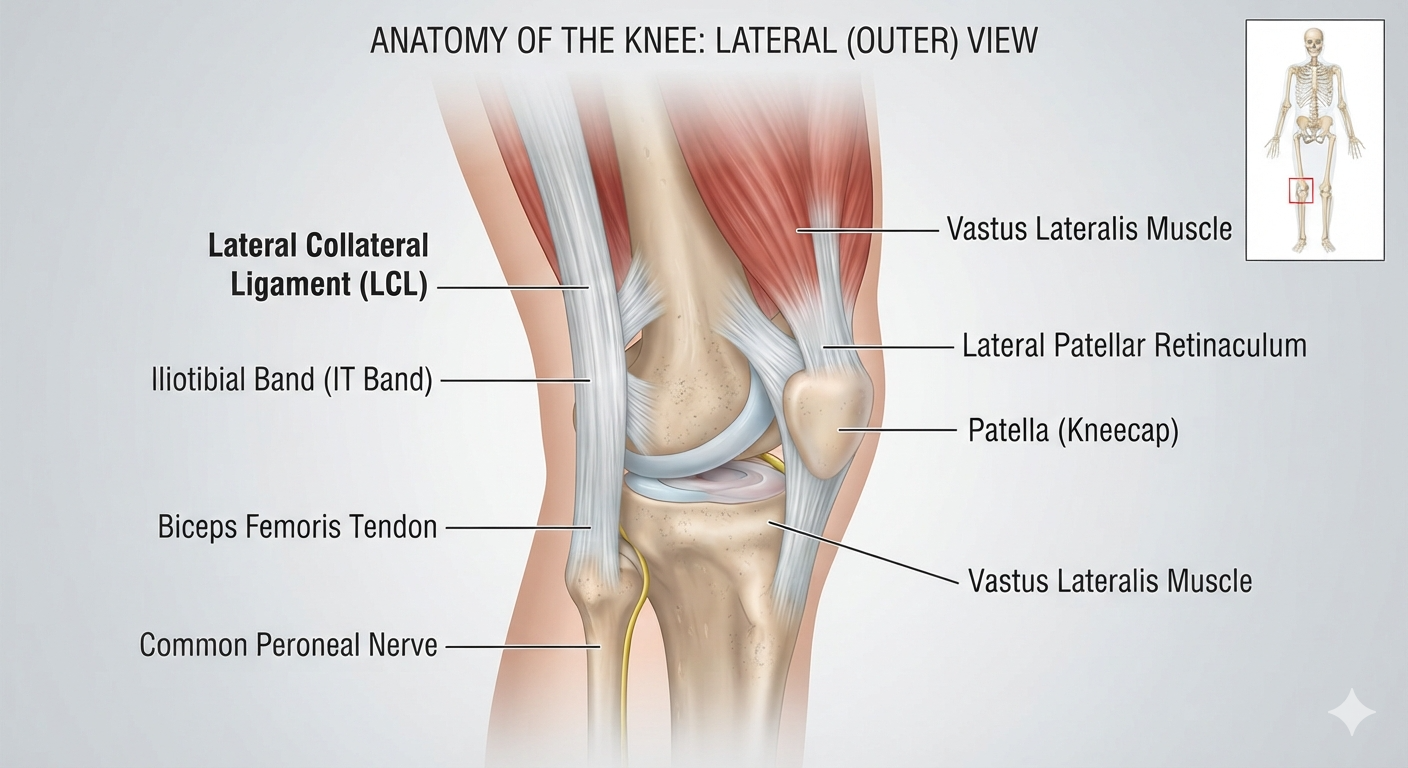
It can be associated with ligament injury, arthritis, meniscus tear, or iliotibial band syndrome.
Everyone’s body is unique, and you can show unique symptoms. However, a health care provider can diagnose the exact cause after reviewing your symptoms and conducting a physical examination.
During your visit, you need to inform him/her:
Where the pain in your knee is
When it began
If the pain is sharp, dull, aching or stabbing
What worsens and improves the pain
Swelling, bruising, clicking, difficulty moving
Knee Pain Treatment Options
Depending on the cause and the extent of pain you are experiencing, the treatment methods available include:
Rest and activity changes: Limiting activities that lead to worsening of your pain can be helpful.
Medications: Over-the-counter pain relievers like NSAIDs or acetaminophen can relieve pain.
Physical Therapy: Exercise will help strengthen muscles around your knee and improve flexibility.
Knee Braces: Will give your knee joint additional support and improve its stability.
Surgery: Certain injuries or advanced cases of arthritis may require surgery, even replacement of the knee joint in advanced cases.For people looking for additional non-surgical approaches, you can also explore our guide on natural treatments for knee pain.
How to Prevent Knee Joint Pain?
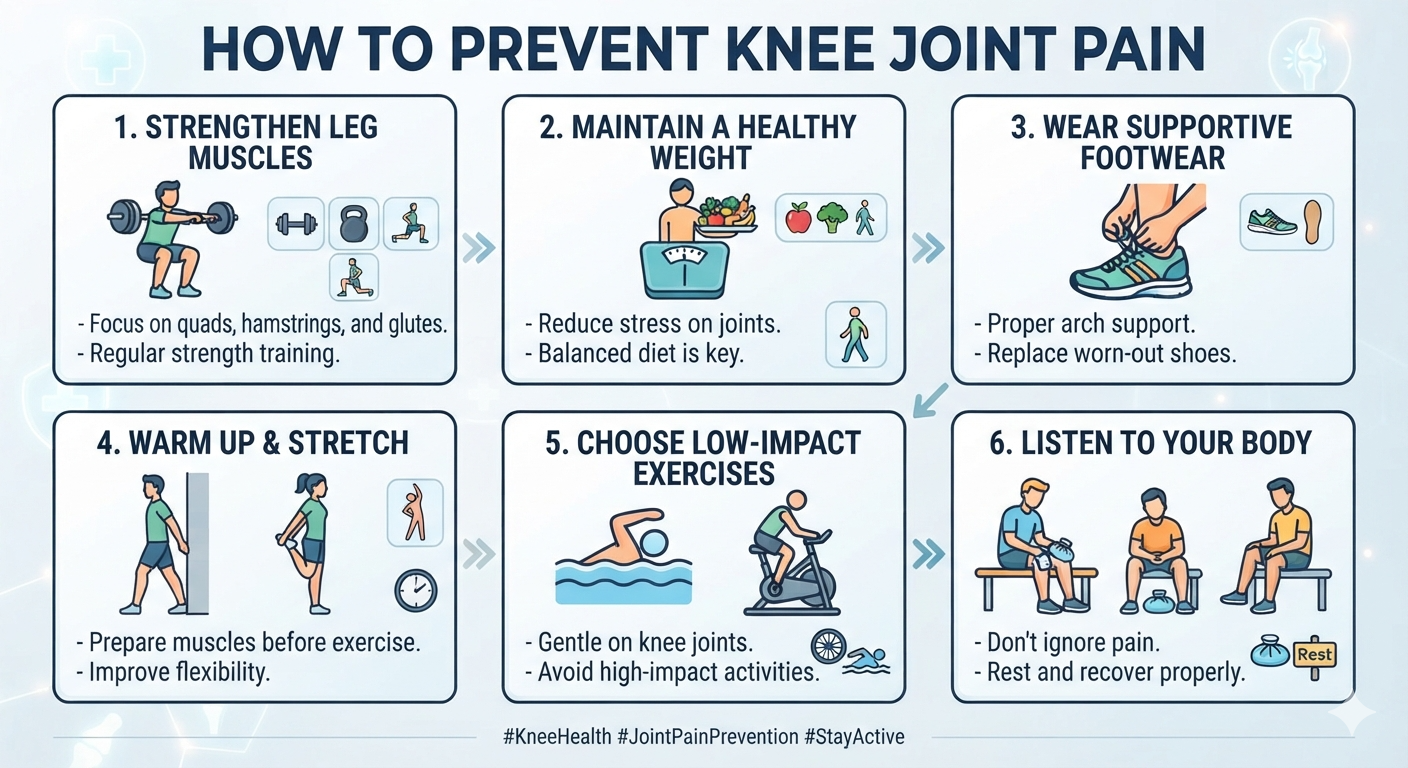
Proper care of your knee during physical activities and exercise will prevent pain.
Some tips to help you avoid knee pain include:
Wearing protective gears while playing sports.
Stopping any activity once you start feeling pain in your knees.
Giving yourself enough time to rest and recuperate.
Warming up and stretching before exercising.
Cooling down after your physical exercises.
Also, some of the ways to prevent knee pain include:
Making sure your home or work environment is safe from any dangers.
Using the right equipment rather than standing on unstable surfaces.
Using a cane or walker if you are prone to falls.
When to See a Doctor About Your Knee Pain
Seek the help of your health care provider if you are suffering from:
Long lasting pain in your knee
Pain that limits your ability to do daily activities
Difficulty in walking or moving the knee joint
Swelling or persistent discomfort
Visit the hospital if you have a serious injury like a fall or accidents, especially if you cannot move your knee, think you have a fracture or having severe pain.
Final thoughts
Knee pain is a very common condition that is experienced by almost everybody. While mild pain can resolve on its own, severe and persistent cases should never be overlooked.
A doctor can diagnose your problem and provide proper treatment options.