Joint Stiffness After 40: What You Should Know and What May Help

You stand up after a cup of chai and your knees take a moment to straighten. Or your fingers feel stiff when you start preparing breakfast. It is easy to brush it off with, “Umar ke saath hota hai.”
But turning 40 does not mean you have to accept daily discomfort. Joint stiffness and muscle aches can have different causes, and knowing the pattern can help you decide what to try and when to get checked.
Start here: For mild stiffness, gentle movement and small changes to your routine may help. A hot, swollen joint, severe pain or symptoms that keep returning need medical attention rather than another home remedy.
Joint stiffness, joint pain or muscle soreness?
These feelings can overlap, but they describe different things:
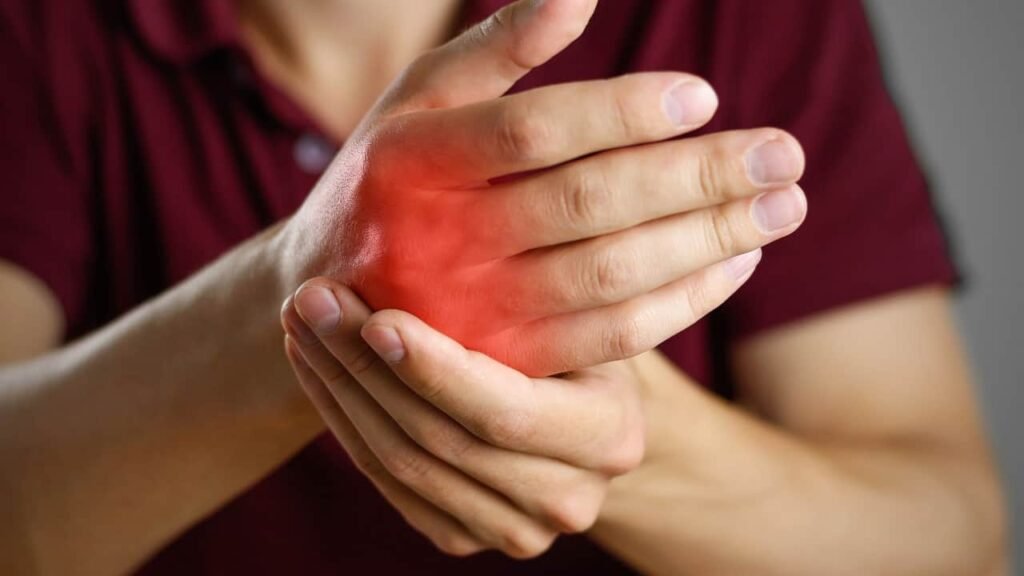
- Joint stiffness: A joint feels difficult to move, such as fingers that resist bending or knees that feel slow to loosen up.
- Joint pain: Discomfort seems centred around a joint, whether you are moving or resting.
- Muscle soreness: The surrounding muscles feel tender or achy, perhaps after carrying bags or doing more physical work than usual.
You do not need to diagnose yourself. Simply noticing where it hurts, when it starts and what makes it better gives your doctor more useful information than saying, “My whole body feels old.”
Why joint stiffness can become noticeable after 40

Hormonal changes and perimenopause
Some women notice muscle aches and joint pains during perimenopause, the transition towards menopause. You may also notice changes in your periods, sleep or temperature regulation. The Australian Government’s health department lists these among recognised perimenopause symptoms.
However, aching knees or difficulty lifting something do not confirm that your oestrogen is low. Symptoms and timing vary, and a sore joint can have another explanation. If these changes are affecting your day, discuss the whole pattern with your doctor rather than treating each symptom separately.
Joint conditions, including arthritis
Osteoarthritis and inflammatory forms of arthritis can cause pain and stiffness. They are not the same condition, and their treatment can differ. Previous injuries and problems in tissues around a joint can also affect how comfortably you move. If the discomfort is mainly in your knees, our guide to common causes of knee pain explains the patterns and symptoms to discuss with your doctor.
Our guide to types of arthritis explains the differences. The useful question is not simply, “Am I old enough for arthritis?” It is, “What is causing this change in my movement?”
Changes in strength and everyday workload
Muscle strength matters when you climb stairs, carry shopping or get up from a chair. If you have become less active, tasks that once felt easy may start to feel more demanding.
At the same time, being busy all day does not necessarily give every muscle the right kind of exercise. Cooking, cleaning and caring for others can involve hours of repeated movements with little chance to change position. That can be tiring, but it does not mean ordinary housework is automatically damaging your joints or causing muscle loss.
Think about which tasks bring on the discomfort and where you could share the load, take a short break or change how you work.
Bone health is a separate part of the picture
Low bone density and joint stiffness are not interchangeable. Osteopenia means bone density is lower than normal; osteoporosis makes bones more fragile and more likely to break. Neither should be assumed just because you have turned 40.
The US National Institutes of Health (NIH) explains that osteoporosis is usually painless until a fracture occurs. It is not the same as osteoarthritis, and low bone density does not automatically explain cartilage changes or an aching knee. A clinician can assess whether your history calls for a bone-health check.
Morning stiffness: notice the pattern
Do you loosen up after getting moving, or remain stiff well into the morning? Does it affect one knee, both hands or several joints? These details are worth noting.
For a few days, jot down:
- Which joints feel stiff and roughly how long it lasts.
- Whether there is swelling, warmth or a change in movement.
- Whether it follows sitting, sleep or a particular activity.
- Whether it interrupts sleep, walking or everyday tasks.
A short note on your phone is enough. You do not need a complicated symptom diary. Take it to your appointment, especially if the problem keeps returning. The warning signs below explain when to seek help sooner.
What may help with joint stiffness and muscle aches at home?
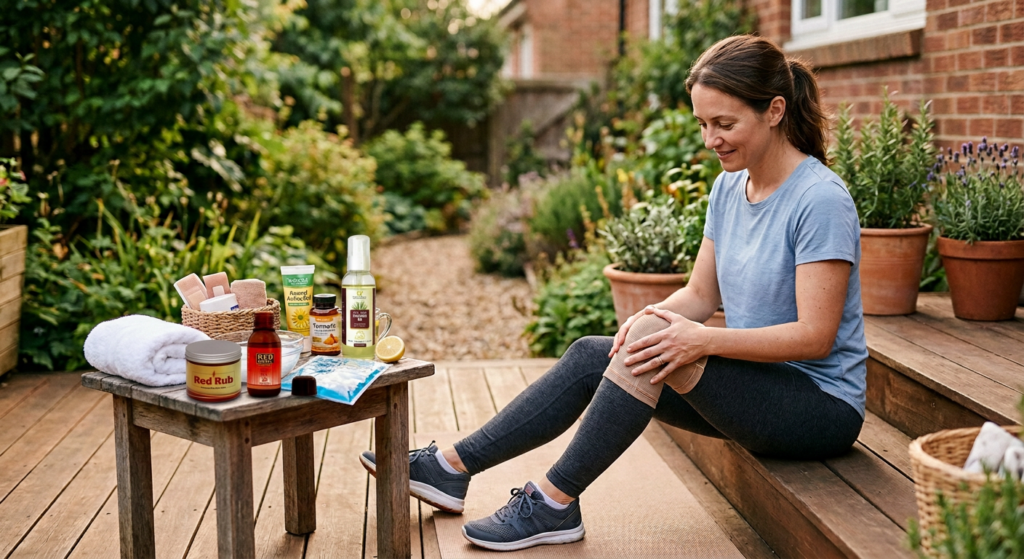
If symptoms are mild and there are no warning signs, start with changes you can repeat comfortably. Home care should support your day, not become another exhausting list of responsibilities. For knee-specific advice, our guide to home care for mild knee pain covers movement, heat and cold, and remedies to approach cautiously.
1. Move gently and build strength gradually
Try a short, comfortable walk or gently move the stiff joint through an easy range. If you have been sitting for a while, get up slowly and give yourself time before rushing into the next task.
For people with osteoarthritis, NICE guidance recommends exercise suited to the individual, including muscle strengthening and aerobic activity. Stretching alone is not the whole plan. A physiotherapist can help you choose an appropriate starting point, particularly if you have pain, poor balance or a diagnosed condition.
Our exercise guide for arthritis offers further reading. For mild shoulder tightness, see these gentle shoulder stretches. Avoid forcing a movement that causes sharp or increasing pain.
2. Make everyday tasks easier
You do not have to finish all the cooking, cleaning and laundry in one stretch. Alternate heavier jobs with lighter ones, divide shopping into smaller loads and ask for help with awkward lifting.
For example, prepare ingredients while seated at a comfortable height, then stand for the next part of the task. A short pause before you are exhausted is often easier to manage than stopping only when the discomfort becomes difficult to ignore.
3. Use warmth thoughtfully
A comfortably warm compress may ease mild muscle tightness for some people. Put fabric between the heat source and your skin, check the skin regularly and stop if it becomes uncomfortable. Do not fall asleep with a heat pack in place.
If the area is newly injured, hot or swollen, or you have reduced sensation or circulation problems, get advice about whether heat is suitable. Avoid applying external heat over a warming balm unless its label specifically permits it.
4. Keep meals practical and balanced
Looking after yourself does not require expensive imported foods. Dal, chana, beans, eggs, fish or chicken can help you include protein in meals. Add vegetables, fruit and enough food to support your activity rather than repeatedly skipping meals to get through the day.
Include calcium-containing foods too, such as milk or yoghurt if tolerated, or suitable fortified alternatives. Check labels because plant-based drinks vary. If you avoid whole food groups, have a medical condition or suspect a deficiency, ask for personalised nutrition advice.
Food supports muscle and bone health, but no single food can identify or cure the cause of joint stiffness. Supplements are not a substitute for finding out why you hurt.
5. Leave room for rest
Try to keep a regular sleep routine and make space for recovery after demanding tasks. If night sweats, pain or disrupted sleep are wearing you down, mention them at your appointment.
Rest need not mean staying still all day. Aim for a manageable balance of activity and breaks. You deserve care before every other responsibility has been crossed off the list.
When should you see a doctor?
Seek urgent care for a hot, swollen joint or joint pain with fever or feeling unwell. After an injury, severe pain, an out-of-place joint, numbness or inability to bear weight needs emergency assessment.
Arrange a medical appointment if stiffness lasts more than 30 minutes after waking, pain affects sleep or daily activities, swelling keeps returning, or home care has not helped after about two weeks. These are reasons to be assessed, not a diagnosis on their own.
Contact a suitable local healthcare service in Pakistan.
Where Red Rub Balm fits into your routine
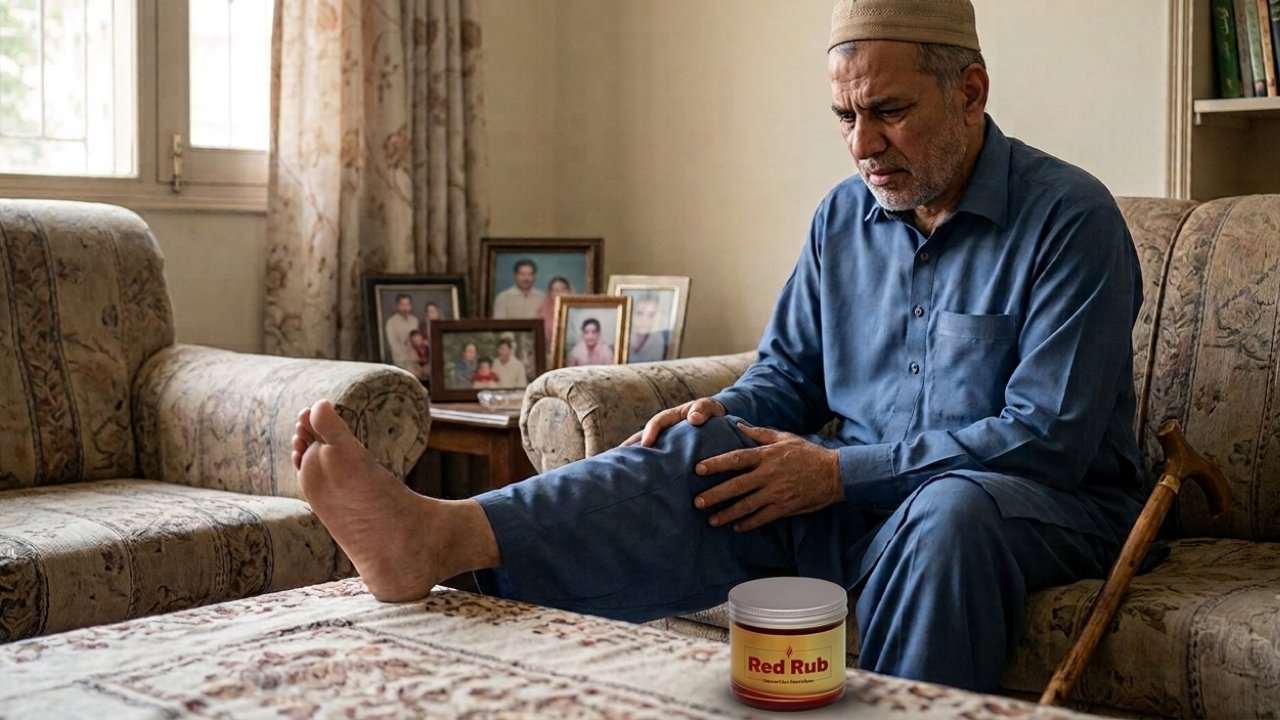
If you enjoy gentle massage for a tired area, a balm can be a convenient addition to your routine. Red Rub is a warming balm intended for focused external application and massage. Its richer texture may suit you if you prefer a product that stays around the area you are massaging.

Whatever you try at home, understanding the cause still matters. A balm cannot replace assessment, rebuild cartilage or treat osteoporosis. It also should not be used to push through pain during an activity that is making symptoms worse.
Using it comfortably
Follow the packaging directions for the amount and frequency of use. Apply gently to intact skin, avoid your eyes and irritated areas, and stop if you develop irritation. Check the ingredient list for allergies and ask a pharmacist if you are unsure whether it suits your health conditions or other treatments.
Keep the pressure comfortable. There is no need to press hard into a painful joint or massage a hot, swollen area.
If a focused warming massage suits your routine, check the Red Rub Balm product information and directions before ordering.
Frequently asked questions
Is joint stiffness normal after 40?
It can become more noticeable, but age alone does not explain it. Pay attention to changes that persist, worsen or interfere with daily life rather than assuming nothing can be done.
Can menopause cause muscle aches and joint pain?
Yes, these can occur during perimenopause and menopause. They do not prove that hormones are the cause in your case. Mention other changes, such as altered periods or sleep, when discussing the symptoms with your doctor.
What are useful home remedies for joint stiffness?
Gentle movement, pacing demanding tasks and appropriate warmth may help mild symptoms. Choose what leaves you comfortable and get assessed if symptoms continue. Avoid relying on home remedies for a hot, swollen joint or severe pain.
Do I need calcium or vitamin D for stiff joints?
Stiffness alone does not show that you have a deficiency. Your diet, medical history and other symptoms help a clinician decide whether tests or supplements are appropriate. Avoid starting high-dose supplements simply because you have joint pain.
Should I use a balm instead of pain medicine?
Do not stop prescribed treatment or assume that a balm and a medicine do the same job. Some topical products are medicines themselves; their ingredients and directions matter. Ask a pharmacist about suitable options if you need additional pain relief.
Start with one manageable change
Perhaps that means sharing the heavier shopping bags, taking a movement break or making the appointment you have been putting off. You do not need to overhaul your whole life today. Start with the step that makes sense for your symptoms, and give your own comfort a place in the day’s plans.